Crypto Trends to Watch in 2026 Unveiling the Future
Starting with Crypto Trends to Watch in 2026, the cryptocurrency landscape is rapidly evolving, shaped by technological innovations, regulatory changes, and shifting market dynamics. As we approach this pivotal year, understanding these trends becomes essential for investors and enthusiasts alike. From the increasing role of institutional investment to the advancements in blockchain technology, the future holds promising developments that will redefine how we view and use cryptocurrencies.
The anticipated rise in cryptocurrency adoption, driven by both businesses and individuals, is set to transform payment solutions across various industries. Additionally, as the intersection of NFTs and the metaverse continues to expand, new opportunities and challenges will emerge within the crypto space. With sustainability becoming a priority, the industry’s response to environmental concerns will also play a significant role in shaping its trajectory moving forward.
Current State of Crypto Markets
The cryptocurrency market is currently navigating a complex landscape shaped by various economic and regulatory factors. As digital assets gain traction, understanding these influences is crucial for stakeholders looking to make informed decisions. The market’s dynamics are continuously evolving, reflecting changes in investor sentiment, regulatory frameworks, and technological advancements.Several key factors are influencing the current dynamics of the crypto market.
The macroeconomic climate, including inflation rates and interest rates, remains a significant consideration for investors. Additionally, regulatory developments across multiple jurisdictions are shaping market access and operational frameworks for cryptocurrency exchanges. The growing acceptance of cryptocurrencies as an asset class, alongside concerns about environmental sustainability, is also driving discussions around innovation and the adoption of more energy-efficient solutions.
Recent Trading Trends and Market Capitalization
In recent months, notable trends in trading volumes and market capitalization have emerged. The overall market cap has experienced fluctuations that correspond to both macroeconomic events and shifts in investor behavior. Increased volatility has been observed, particularly in response to major economic announcements or regulatory changes. The trading volume has witnessed a resurgence, indicating renewed interest among both retail and institutional investors.
This uptick in activity is often accompanied by significant price movements, which provide both opportunities and risks for traders. The current trading landscape reflects a growing participation from various segments of the market, including decentralized finance (DeFi) platforms, which have become increasingly popular among investors seeking higher yields or innovative financial products.
Institutional Investment Impact
Institutional investment plays a pivotal role in shaping the current cryptocurrency market landscape. More institutional players are entering the space, driven by the search for diversification and enhanced returns. This trend has resulted in greater liquidity and market stability, as institutional capital tends to have a longer-term investment horizon compared to retail trading.The presence of traditional financial institutions, such as banks and hedge funds, has legitimized cryptocurrencies, providing a layer of credibility that was previously lacking.
These institutions are not only investing directly in cryptocurrencies but also offering crypto-related products to their clients. Such developments have contributed to a more structured investment environment, encouraging wider adoption and participation in the crypto markets.
“Institutional involvement in cryptocurrencies is transforming the market, introducing new levels of sophistication and stability.”
As the crypto landscape evolves, the interplay between retail enthusiasm and institutional investment will continue to define the market’s trajectory.
Emerging Technologies in Blockchain

Source: toptal.io
The landscape of blockchain technology is rapidly evolving, with innovations poised to significantly influence the crypto industry in the coming years. As we move toward 2026, several key technologies are emerging that not only enhance the functionality of existing systems but also pioneer new applications in decentralized finance, supply chain management, and beyond. Understanding these advancements is critical for investors and enthusiasts alike, as they shape the future of digital assets.One of the most significant areas of development in blockchain technology is the advancement of Layer 2 solutions.
These scaling solutions operate on top of existing blockchains, providing enhanced transaction speeds and reduced fees while maintaining security. This innovation is vital for the scalability of blockchain platforms, as it allows for increased throughput without compromising the integrity of the underlying chain.
Development of Layer 2 Solutions
Layer 2 solutions represent a pivotal improvement in blockchain technology, addressing the scalability issues faced by major networks such as Bitcoin and Ethereum. These solutions facilitate faster transactions and lower costs by processing operations off the main blockchain. The implications of this development are profound, particularly for applications requiring high transaction volumes, such as gaming and microtransactions. Key benefits of Layer 2 solutions include:
- Enhanced Scalability: Layer 2 solutions can handle thousands of transactions per second, alleviating congestion on the main chain.
- Cost Efficiency: By offloading transactions from the main blockchain, users can enjoy significantly lower fees, making crypto usage more accessible.
- Interoperability: Many Layer 2 solutions are designed to be compatible with multiple blockchains, fostering an ecosystem of interconnected platforms.
The ongoing development and adoption of these solutions indicate a future where blockchain technology can efficiently cater to everyday users and large enterprises alike.
Advancements in Decentralized Finance (DeFi)
Decentralized finance is undergoing transformational advancements that are reshaping investment strategies and financial services. As DeFi protocols evolve, they introduce innovative financial products that enhance accessibility and efficiency in the crypto markets. This movement away from traditional finance creates a new paradigm for users to engage with their assets.Notable trends in DeFi advancements include:
- Improved Yield Farming Techniques: With the introduction of new algorithms and strategies, yield farming is becoming more sophisticated, allowing users to optimize their returns effectively.
- Automated Market Makers (AMMs): AMMs are evolving to offer better liquidity and pricing models, reducing the risks associated with slippage and enhancing trading experiences.
- Cross-Chain Functionality: DeFi platforms are increasingly integrating cross-chain capabilities, enabling users to leverage assets across different networks seamlessly.
These advancements not only democratize access to financial services but also open up new avenues for investment, allowing individuals to gain exposure to a wider range of financial instruments previously inaccessible to the average investor.
As we approach 2026, the fusion of emerging technologies and DeFi innovations will create unprecedented opportunities for both new and experienced investors in the crypto space.
Regulatory Changes on the Horizon
As the cryptocurrency market continues to evolve, regulatory frameworks are set to change significantly in the coming years. Governments around the world are actively assessing how to approach cryptocurrency regulations, and these anticipated changes will have a profound impact on the operations of crypto businesses and the overall market landscape. With various jurisdictions taking distinct paths toward regulation, the implications for investors and the industry at large are worth examining closely.
Anticipated Regulations Affecting Cryptocurrency Operations
Several key regulatory developments are expected to shape the future of cryptocurrency operations. As regulatory bodies refine their approaches, here are some anticipated changes:
- The introduction of clearer definitions of cryptocurrencies and their classifications, which will help in determining whether they are treated as currencies, securities, or commodities.
- Mandatory registration for cryptocurrency exchanges and wallets with various financial authorities to ensure compliance with anti-money laundering (AML) and know your customer (KYC) policies.
- Increased scrutiny on decentralized finance (DeFi) platforms, potentially leading to new regulations that balance innovation with consumer protection.
- Tax regulations that clarify the reporting requirements for crypto transactions, ensuring that individuals and entities comply with existing tax laws.
Comparative Approaches to Crypto Regulation
Different countries are adopting varied stances toward cryptocurrency regulation, each influenced by their economic, technological, and social contexts. The following are notable examples:
- United States: The U.S. aims for a comprehensive regulatory framework that includes the SEC and CFTC overseeing the classification of cryptocurrencies, leading to a patchwork of state and federal regulations.
- European Union: The MiCA (Markets in Crypto-Assets) regulation is set to establish a unified legal framework across EU member states, promoting investor protection while fostering innovation.
- China: China has taken a stringent stance, banning cryptocurrency trading and ICOs while promoting its digital yuan, focusing on state-controlled digital currencies.
- El Salvador: By adopting Bitcoin as legal tender, El Salvador is testing a new economic model that could either inspire other nations or lead to caution among investors due to its unconventional approach.
Impact of Regulatory Clarity on Market Stability and Investor Confidence
The establishment of clear regulations can significantly influence market stability and investor confidence in a number of ways:
- Regulatory clarity can reduce uncertainty, encouraging institutional investors to enter the market, which can lead to increased liquidity and price stability.
- Enhanced consumer protection measures can boost confidence among retail investors, potentially resulting in a broader adoption of cryptocurrencies.
- Clear guidelines can discourage fraudulent activities and scams, fostering a healthier market environment.
- The international harmonization of regulations can facilitate cross-border transactions, making it easier for businesses to operate globally.
“Regulatory clarity is not just about constraints; it’s about creating a robust framework that allows innovation to thrive.”
Expected Cryptocurrency Adoption Rates: Crypto Trends To Watch In 2026
The landscape of cryptocurrency is evolving at an extraordinary pace, and forecasts for 2026 suggest that both businesses and consumers will integrate digital currencies into their daily transactions in unprecedented ways. As cryptocurrency becomes more mainstream, the adoption rates are expected to soar, driven by advancements in technology, increased public awareness, and a growing desire for decentralized financial systems.Several industries are poised to embrace cryptocurrency payment solutions, paving the way for broader acceptance.
The integration of cryptocurrencies by businesses will not only enhance transaction efficiency but also cater to the growing demand from consumers for more flexible payment options.
Forecast for Business and Consumer Adoption
The expected adoption rates for cryptocurrency among both businesses and consumers in 2026 are projected to be significant. Various reports indicate that more than 60% of small to medium-sized enterprises (SMEs) are likely to accept cryptocurrencies as a payment method by 2026. This shift is largely attributed to the increasing convenience and lower transaction costs associated with digital currencies compared to traditional banking methods.Industries likely to integrate crypto payment solutions include:
- E-commerce: Online retailers are increasingly adopting cryptocurrencies to attract tech-savvy consumers. Major platforms, including Shopify and WooCommerce, already support cryptocurrency payments, facilitating the transition for their merchants.
- Travel and Hospitality: Companies like Expedia and Travala have started accepting cryptocurrencies for booking flights and accommodations, appealing to a growing demographic of travelers who value digital currencies.
- Gaming: The gaming industry is witnessing a surge in crypto adoption as platforms like Enjin and Axie Infinity offer users the ability to earn, trade, and spend cryptocurrencies within their games.
- Real Estate: A growing number of real estate firms are now accepting cryptocurrencies for property transactions, simplifying international deals and attracting investors from around the globe.
The role of digital identity solutions is pivotal in enhancing cryptocurrency usage, promoting security, and reducing fraud. As cryptocurrencies gain traction, digital identities can provide a secure method for users to authenticate themselves without compromising personal data.
Importance of Digital Identity Solutions
Digital identity solutions facilitate seamless transactions and improve trust in cryptocurrency usage. By allowing users to verify their identities while preserving their privacy, these solutions encourage more consumers to engage with cryptocurrencies. Some notable features include biometric recognition, decentralized identity platforms, and enhanced KYC (Know Your Customer) processes.
“Digital identity solutions are crucial in bridging the gap between traditional finance and cryptocurrencies, enhancing user experience while ensuring security.”
Overall, as cryptocurrency adoption rates climb, the integration of digital identity solutions will play an essential role in fostering a secure and user-friendly environment for all stakeholders involved. This holistic approach to adoption will ultimately pave the way for a more inclusive financial ecosystem in 2026.
The Role of NFTs and Metaverse
In recent years, non-fungible tokens (NFTs) have emerged as a groundbreaking phenomenon, transforming the landscape of digital ownership and creativity. By providing unique identifiers for digital assets, NFTs have found applications not only in the art world but also in gaming, music, and even real estate. As we look toward 2026, the role of NFTs is expected to expand further, intertwining with emerging technologies and the metaverse, creating new avenues for engagement and investment.The intersection of cryptocurrencies and the metaverse is a significant trend, facilitating new forms of interaction and commerce.
In digital environments where socialization, gaming, and trade converge, NFTs serve as essential building blocks, enabling users to own virtual items, artworks, and even virtual real estate. As the metaverse continues to evolve, the importance of NFTs will grow, serving as proof of ownership and authenticity for a myriad of digital goods.
Significance of NFTs Across Various Sectors
NFTs have established their value across multiple sectors, driving innovation and enhancing user experiences. Here are some key areas where NFTs are making a significant impact:
- Art and Collectibles: Artists can tokenize their work, allowing for direct sales to consumers without intermediaries. Platforms like OpenSea have become staple marketplaces for digital art, where collectors can purchase unique pieces.
- Gaming: In-game assets such as skins, weapons, or characters can be tokenized, allowing players to own, trade, or sell them outside of the game environment. Games like Axie Infinity demonstrate this concept effectively.
- Music: Musicians are exploring NFTs to release exclusive tracks, concert tickets, and merchandise, providing fans with tangible digital ownership. Platforms like Royal have started enabling artists to sell fractional ownership of their music rights.
- Real Estate: Virtual land ownership is becoming a reality within the metaverse. Platforms like Decentraland and The Sandbox are paving the way for users to buy, sell, and develop virtual properties using NFTs.
Key Platforms Driving NFT Growth, Crypto Trends to Watch in 2026
Several platforms are at the forefront of NFT growth, each contributing uniquely to the crypto market. Their functionalities and community engagement play a crucial role in shaping the future of digital assets.
- OpenSea: As one of the largest NFT marketplaces, OpenSea allows users to buy, sell, and trade NFTs across various categories. Its user-friendly interface and extensive collection have made it a go-to platform for NFT enthusiasts.
- Rarible: Rarible empowers creators to mint their NFTs and earn royalties on secondary sales. This decentralized approach promotes a vibrant creator economy, driving user participation and innovation.
- Foundation: This invite-only marketplace emphasizes high-quality art and community involvement, creating a curated space for top creators to sell their unique works.
- Blur: Airdropping tokens to users based on their trading activity, Blur focuses on creating an ecosystem for professional traders and instant trading of NFTs, enhancing liquidity in the market.
The growth of NFTs is not merely a fleeting trend; it represents a fundamental shift in how we perceive ownership and value in the digital age.
Environmental Impact and Sustainability

Source: co.uk
The environmental footprint of cryptocurrency mining and trading has become a hot topic within the financial and technological landscapes. As cryptocurrencies gain traction, so too do the concerns surrounding their energy consumption and ecological implications. This segment delves into the environmental challenges linked to crypto activities and highlights promising initiatives aimed at fostering a more sustainable future for the industry.Bitcoin mining, for instance, has been a focal point for environmental critique due to its significant energy requirements.
The consensus mechanism known as Proof of Work (PoW) is particularly energy-intensive, leading to substantial carbon emissions. In contrast, newer cryptocurrencies are adopting less energy-consuming methods such as Proof of Stake (PoS), which require far less computational power. The shift towards renewable energy sources for mining operations is also gaining momentum, illustrating a proactive approach to mitigating environmental impacts.
Environmental Initiatives in the Crypto Community
Numerous projects and organizations within the crypto space are taking steps to address sustainability concerns. These initiatives aim to promote eco-friendliness and reduce the carbon footprint associated with cryptocurrency activities. Here are some notable examples:
- Green Blockchain Networks: Various cryptocurrencies, such as Cardano and Algorand, have adopted PoS mechanisms to minimize their energy consumption and carbon emissions.
- Renewable Energy Adoption: Some mining operations are transitioning to renewable energy sources like solar, wind, and hydroelectric power, significantly lowering their environmental impact.
- Carbon Offsetting Programs: Initiatives aimed at offsetting carbon footprints are emerging. For example, projects like Climate Vault aim to neutralize emissions generated by crypto transactions.
- Eco-Conscious Mining Pools: Certain mining pools are prioritizing energy-efficient practices and often source electricity from renewable resources to reduce their overall impact.
Carbon Footprints of Various Cryptocurrencies
The environmental impact of cryptocurrencies varies significantly based on their underlying technology and consensus mechanisms. By examining the carbon footprints of different cryptocurrencies, it becomes evident which ones are leading the charge toward sustainability.
| Cryptocurrency | Consensus Mechanism | Estimated Annual Energy Consumption (TWh) | Carbon Emissions (Metric Tons) |
|---|---|---|---|
| Bitcoin | Proof of Work | 100+ | 45 million+ |
| Ethereum (prior to 2.0) | Proof of Work | 50+ | 20 million+ |
| Ethereum (post-2.0) | Proof of Stake | <5 | <1 million |
| Cardano | Proof of Stake | <1 | <0.5 million |
The stark contrast in the energy consumption and emissions between PoW and PoS cryptocurrencies highlights the potential for a greener crypto landscape. By prioritizing sustainability, the crypto community can make strides toward reducing its environmental impact while ensuring continued growth and adoption in a responsible manner.
Global Economic Factors Influencing Crypto
As the world navigates through various economic conditions, the interest in cryptocurrencies continues to grow. Factors like inflation, economic uncertainty, and shifting geopolitical landscapes play pivotal roles in shaping the crypto market. Understanding these elements is essential for investors looking to capitalize on trends that may arise in the coming years.Economic trends such as inflation often lead to increased demand for cryptocurrencies.
Investors view digital currencies as a hedge against inflation, which erodes the purchasing power of fiat currencies. When traditional financial systems are perceived as unstable or ineffective, cryptocurrencies can emerge as an attractive alternative. This relationship is further influenced by the performance of traditional markets, which often correlate with the crypto space.
Inflation and Economic Uncertainty
Inflation continues to be a pressing concern for many economies globally. As central banks increase money supply to stimulate growth, the value of fiat currencies may decline. This creates an environment where investors seek out assets that can retain their value. Cryptocurrencies, particularly Bitcoin, are increasingly perceived as a store of value.
- In recent years, during periods of high inflation, Bitcoin’s price showed a significant uptick, indicating that investors were turning to it as a safeguard against currency devaluation.
- Countries facing hyperinflation, such as Venezuela and Zimbabwe, have seen a surge in cryptocurrency transactions as individuals seek to preserve their wealth outside of local currencies.
“Investors often turn to Bitcoin during inflationary periods, viewing it as digital gold.”
Correlation with Traditional Markets
The relationship between traditional financial markets and cryptocurrencies is complex yet significant. Many investors monitor stock market trends to gauge the potential movement of cryptocurrency prices.The correlation can be illustrated through:
Market Events
Major events such as stock market crashes often trigger similar reactions in the crypto space. For instance, during the COVID-19 pandemic, both markets experienced sharp declines before recovering.
Investors Behavior
When stock markets perform well, retail and institutional investors may diversify into cryptocurrencies, seeking additional returns. Conversely, poor performance in traditional equities can drive more investors towards safer digital assets.Understanding this correlation helps investors anticipate potential shifts in the cryptocurrency landscape based on traditional market movements.
Geopolitical Factors Impacting Cryptocurrencies
Geopolitical events significantly influence the cryptocurrency market. Factors such as political unrest, regulatory changes, and international sanctions can alter investor sentiment and behavior.Key geopolitical influences include:
Regulatory Actions
Governments imposing strict regulations on crypto can lead to volatility in the market. For example, China’s crackdown on cryptocurrency mining and trading in 2021 caused significant market fluctuations.
Economic Sanctions
Countries facing economic sanctions, like Iran, have increasingly adopted cryptocurrencies as a means to bypass restrictions and facilitate international trade.
Conflicts and Wars
In times of conflict, cryptocurrencies can provide a means for individuals to transfer value without relying on traditional banking systems, as seen in regions experiencing turmoil.These geopolitical factors underscore the necessity for investors to stay informed about global events that may directly or indirectly impact their cryptocurrency investments.
Investment Strategies for 2026
Source: contentstack.io
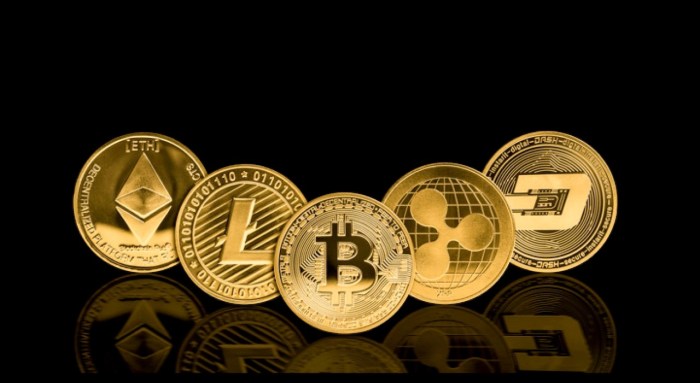
As the crypto landscape continues to evolve, developing robust investment strategies is crucial for navigating the complexities of this market. A diversified investment approach can mitigate risks while capitalizing on various opportunities within the blockchain ecosystem. This guide Artikels key strategies and techniques for crypto investments in 2026.
Diversified Investment Strategies
Diversification is essential in the cryptocurrency market to spread risk and enhance potential returns. Investors should consider allocating their portfolios across different assets, including established cryptocurrencies, emerging tokens, and blockchain-related projects. Here are some effective diversification strategies:
- Mix of Established and Emerging Assets: Maintain a balance between well-known cryptocurrencies like Bitcoin and Ethereum, alongside newer, high-potential coins. This strategy helps capture growth while minimizing risks associated with less stable assets.
- Inclusion of DeFi and Utility Tokens: DeFi (Decentralized Finance) platforms offer unique investment opportunities. Consider tokens associated with lending, borrowing, and decentralized exchanges to diversify your portfolio further.
- Geographic and Sector Diversification: Invest in cryptocurrencies that operate in different regions or sectors (like supply chain, gaming, or healthcare), reducing vulnerability to localized economic factors.
Risk Management Techniques
Effective risk management is vital when investing in cryptos, given their inherent volatility. Employing specific techniques can help safeguard investments and optimize returns:
- Position Sizing: Determine the amount to invest in each asset based on your total portfolio size and risk tolerance. A general rule is not to invest more than 5% of your portfolio in a single asset.
- Stop-Loss Orders: Utilize stop-loss orders to automatically sell assets when they reach a certain price. This can help limit losses and protect your investment during market downturns.
- Regular Portfolio Rebalancing: Periodically adjust your portfolio to maintain your desired asset allocation, selling assets that have increased significantly and buying those that may be undervalued.
Evaluating Investment Opportunities
When considering newer cryptocurrencies or blockchain projects, it’s crucial to conduct thorough due diligence. This process involves evaluating the fundamentals, technology, and market potential of investment opportunities. Here are key factors to assess:
- Project Whitepaper: Review the project’s whitepaper for a comprehensive understanding of its goals, technology, and use case. Clarity and technical feasibility are indicators of a strong project.
- Team and Advisors: Investigate the experience and track record of the team behind the project. A strong management team with relevant experience can significantly influence a project’s success.
- Community Engagement: A vibrant, active community can be a positive sign. Check social media channels, forums, and their level of engagement with users and developers.
- Market Trends and Competition: Analyze current market conditions and the competitive landscape to understand where the project stands. Look for unique selling points and potential challenges.
Last Word
In summary, the landscape of cryptocurrency is poised for significant transformation by 2026, influenced by emerging technologies, evolving regulatory frameworks, and market adaptations. Investors must stay informed and agile, embracing innovative strategies while considering the environmental and economic factors at play. By keeping an eye on these trends, individuals can better navigate the exciting and dynamic world of cryptocurrencies and make informed decisions for their futures.
FAQ Summary
What are the key factors driving crypto adoption?
The key factors include increasing institutional investment, technological advancements, and growing acceptance of cryptocurrencies by businesses and consumers.
How will regulations affect cryptocurrency investments?
Regulations can provide clarity and stability, potentially boosting investor confidence, but may also impose restrictions that affect market dynamics.
What role do NFTs play in the future of crypto?
NFTs are expected to enhance digital ownership and creativity, influencing various sectors such as art, music, and gaming, thus driving further crypto adoption.
How are environmental concerns being addressed in crypto?
Many initiatives are underway within the crypto community to promote sustainable practices, including the use of eco-friendly mining methods and reducing carbon footprints.
What investment strategies should be considered for 2026?
Diversification, risk management, and thorough evaluation of emerging coins are crucial strategies for navigating the volatile crypto market.