How to Use Trading Bots for Daily Profit Made Simple
How to Use Trading Bots for Daily Profit opens the door to the fascinating world of automated trading, where technology meets opportunity. Imagine having a reliable partner that works tirelessly to analyze markets and execute trades on your behalf, allowing you to focus on other important aspects of life or trading. This guide will provide you with essential insights into trading bots, their benefits, and how you can leverage them to optimize your trading strategy for daily gains.
As we delve deeper, you will discover the intricacies of selecting the right bot, implementing effective trading strategies, and managing risks that often accompany automated trading. We will also cover common pitfalls to avoid and how to adapt to ever-changing market conditions, ensuring you’re well-equipped to navigate the trading landscape.
Introduction to Trading Bots
Trading bots are automated software programs designed to execute trades on behalf of users in financial markets. Utilizing algorithms, these bots analyze market conditions and make trading decisions based on pre-set parameters or AI-driven insights. This technology has gained popularity due to its ability to operate 24/7, ensuring users can capitalize on market opportunities even when they are not actively monitoring their trades.The advantages of using trading bots over manual trading are significant.
Firstly, they eliminate the emotional aspect of trading, allowing for more disciplined and consistent strategies. Bots can process vast amounts of data quickly, identifying patterns and executing trades at speeds that are impossible for human traders. This capability minimizes the risk of human error, enhances efficiency, and provides an opportunity to take advantage of market fluctuations instantaneously.
Common Types of Trading Bots
In the market, various types of trading bots cater to different trading strategies and preferences. Understanding these options is essential for selecting the right bot for one’s trading needs.The following are some common types of trading bots:
- Market-Making Bots: These bots facilitate liquidity by placing buy and sell orders around the current market price, profiting from the spread between the two.
- Trend-Following Bots: These bots analyze market trends and execute trades that align with established market movements, aiming to capitalize on sustained price changes.
- Arbitrage Bots: These bots exploit price discrepancies across different exchanges by simultaneously buying and selling an asset to lock in profits.
- Portfolio Management Bots: These automate the process of asset allocation and rebalancing within a portfolio based on specified parameters to optimize returns.
Each type of trading bot has unique features and is suited to different trading styles and market conditions. By selecting the appropriate bot, traders can enhance their profitability and streamline their trading processes.
“The right trading bot can be a powerful ally in navigating the complexities of financial markets.”
In summary, trading bots provide an innovative approach to trading, harnessing technology to offer speed, efficiency, and a systematic trading experience. Their diverse functionalities cater to various trading strategies, making them accessible tools for both novice and experienced traders alike.
Setting Up a Trading Bot
Setting up a trading bot is an essential step for traders looking to automate their strategies and potentially maximize their profits. With the right tools and knowledge, anyone can set a bot to work for them in the fast-paced world of trading. In this section, we will break down the process into manageable steps to ensure a smooth setup.
Choosing a Trading Bot
Selecting the right trading bot is critical for aligning with your trading strategies and risk tolerance. Not all bots are created equal, so understanding your needs and the features offered by various bots can significantly impact your trading success. Here are some key factors to consider:
- Trading Strategy Compatibility: Ensure the bot supports the trading strategies you intend to use, whether it be day trading, swing trading, or forex trading.
- Performance History: Look for bots with a proven track record. Research their historical performance and read user reviews to gauge reliability.
- Customizability: Choose a bot that allows customization of settings to adapt to your unique trading style and preferences.
- Supported Exchanges: Verify that the bot is compatible with the trading platforms you prefer, as not all bots work with every exchange.
- User Interface: A user-friendly interface can enhance your experience, especially if you are new to trading bots.
Creating an Account on a Trading Platform, How to Use Trading Bots for Daily Profit
Once you’ve chosen a trading bot, the next step is to create an account on a compatible trading platform. This account will serve as the operational base for your bot. Follow these steps to get started:
1. Select a Trading Platform
Research and choose a trading platform that supports the bot you want to use. Popular options include Binance, Kraken, or Coinbase Pro.
2. Sign Up
Visit the platform’s website and click on the registration option. Fill in the necessary personal details, including your email and password.
3. Verify Your Identity
Most trading platforms require identity verification. This usually involves submitting documents such as a government-issued ID and proof of address.
4. Enable Two-Factor Authentication
For enhanced security, enable two-factor authentication (2FA) to protect your account from unauthorized access.
5. Deposit Funds
Fund your account using the available payment methods such as bank transfer, credit/debit card, or cryptocurrency.
Configuring the Bot Settings
After setting up your trading account, the next step is to configure your trading bot. Proper configuration is vital for achieving optimal performance and managing risk effectively. Below are key settings to focus on:
- Risk Management Settings: Determine how much of your capital you are willing to risk per trade. A common approach is to risk 1-2% of your total capital on each trade.
- Take Profit and Stop Loss Levels: Set take profit and stop loss levels to lock in profits and mitigate potential losses, ensuring trades are exited at predetermined levels.
- Trading Pair Selection: Choose the trading pairs that align with your strategy. Diversifying across multiple pairs can help manage risk while maximizing opportunities.
- Trading Frequency: Configure how often you want your bot to make trades. This can range from high-frequency trading to less frequent, more strategic trades.
- Backtesting: Before going live, utilize the backtesting feature (if available) to simulate trading with historical data, helping to fine-tune your strategy based on past performance.
Trading Strategies for Bots
In the world of automated trading, employing the right strategies is crucial for maximizing daily profits. Trading bots can execute various strategies based on predefined algorithms, allowing traders to capitalize on market movements efficiently. This section will cover several effective trading strategies that bots can utilize, the significance of backtesting, and a comparison between long-term and short-term strategies.
Types of Trading Strategies for Bots
Trading bots can implement a variety of strategies depending on the market conditions and the trader’s goals. Here are some common strategies that can lead to daily profits:
- Trend Following: This strategy involves identifying and following the prevailing market trends. Bots analyze price movements to determine bullish or bearish trends and execute trades in the direction of the trend.
- Mean Reversion: This strategy is based on the theory that asset prices will revert to their mean over time. Bots will buy when prices are low and sell when prices are high, capitalizing on price fluctuations.
- Arbitrage: Arbitrage trading exploits price discrepancies between different markets or exchanges. Bots can automatically buy an asset on one exchange and sell it on another for a profit.
- Scalping: This short-term strategy aims to make small profits from numerous trades throughout the day. Bots execute orders quickly to take advantage of minute price changes.
- Breakout Trading: The strategy focuses on entering a position when the price breaks through a defined resistance or support level, indicating a potential trend continuation.
Importance of Backtesting and Optimizing Strategies
Before deploying a trading strategy in the live market, it’s essential to backtest and optimize it. Backtesting involves running the strategy against historical market data to evaluate its performance. This process helps identify strengths and weaknesses, allowing traders to make necessary adjustments.
“Backtesting is crucial for validating the effectiveness of a strategy before risking real capital.”
Optimizing strategies can involve tweaking parameters such as entry and exit points, stop-loss limits, and position sizes. By refining these factors, traders can enhance the bot’s performance and reduce the risk of loss. Regularly revisiting and adjusting strategies based on ongoing performance data is also vital for sustained profitability.
Long-term vs. Short-term Trading Strategies
When choosing a trading strategy for bots, understanding the differences between long-term and short-term approaches is essential. Each has its own advantages and considerations:
| Strategy Type | Time Horizon | Advantages | Considerations |
|---|---|---|---|
| Long-term Trading | Weeks to Months | Less stress, lower transaction costs, potential for larger profits. | Requires patience, may miss short-term opportunities. |
| Short-term Trading | Minutes to Days | Quick profits, frequent trading opportunities, adaptable to market changes. | Higher transaction costs, increased stress, requires constant monitoring. |
In conclusion, selecting the right trading strategy for bots is fundamental to achieving daily profits. By understanding various strategies, the process of backtesting, and the differences between long-term and short-term trading approaches, traders can equip their bots for optimal performance in the dynamic trading environment.
Risk Management with Trading Bots
Risk management is a cornerstone of successful trading, especially when operating trading bots. Without proper risk assessment and management, even the best strategies can lead to significant losses. Trading bots execute trades based on pre-defined algorithms, which can amplify risks if not carefully controlled. Thus, it’s essential to integrate effective risk management techniques to safeguard your investments while leveraging the efficiency of these automated systems.Setting stop-loss and take-profit levels is crucial for protecting your capital and securing profits.
These mechanisms help you automate the exit of trades at predetermined price levels, allowing for a disciplined approach. Here’s how to implement them effectively:
Setting Stop-Loss and Take-Profit Levels
Establishing stop-loss and take-profit levels requires a thoughtful approach based on market analysis and personal risk tolerance. When setting these levels, consider the following procedures:
1. Determine Risk Tolerance
Assess how much capital you are willing to risk on each trade. A common recommendation is to risk no more than 1-2% of your total trading capital on a single trade.
2. Identify Support and Resistance Levels
Use technical analysis to identify key support and resistance levels in the market. Place stop-loss orders just below support levels for long positions and above resistance levels for short positions.
3. Calculate Stop-Loss Distance
Decide the distance of your stop-loss from the entry point based on historical price movement. For instance, if a stock typically fluctuates by 5%, setting a stop-loss 5% below your entry price can be prudent.
4. Set Take-Profit Levels
Aim to set take-profit levels based on realistic profit targets. A common approach is using a risk-reward ratio, such as 1:2, meaning for every dollar risked, aim to make two dollars.
5. Adjust Levels as Needed
Continuously monitor the market and adjust your stop-loss and take-profit levels accordingly. This dynamic approach helps in adapting to changing market conditions.
“Effective stop-loss and take-profit settings can protect your capital and ensure trading discipline.”
Diversifying Investments with Trading Bots
Diversification is a powerful strategy to mitigate risk when using trading bots. By spreading investments across various assets, you can reduce exposure to any single asset’s volatility. Here’s how to diversify effectively:
1. Select Different Asset Classes
Invest in a mix of asset classes, such as stocks, cryptocurrencies, and commodities. This approach helps in balancing performance across different market conditions.
2. Utilize Multiple Trading Bots
Employ various trading bots tailored for different strategies or asset classes. For example, one bot can focus on day trading stocks while another can handle long-term cryptocurrency investments.
3. Vary Trading Strategies
Implement different trading strategies, such as trend following, arbitrage, or market making, across your bots. This variety helps in capturing different market opportunities.
4. Rebalance Portfolio Regularly
Periodically review and adjust your investments to maintain desired asset allocation. This practice ensures that no single investment dominates your portfolio.
5. Monitor Correlations
Choose assets with low correlation to each other to enhance diversification. For instance, pairing tech stocks with commodities can reduce overall portfolio risk.By adhering to these diversification principles, you can effectively manage risk and optimize returns while using trading bots.
Monitoring and Adjusting Bot Performance
In the dynamic world of trading, keeping a close eye on your trading bot’s performance is essential for maximizing profitability. Monitoring allows traders to identify areas of improvement and make necessary adjustments to ensure that their bots operate at peak efficiency. Understanding key performance indicators (KPIs) will help in evaluating the effectiveness of your trading strategies and maintaining a successful trading operation.
Key Performance Indicators for Bot Trading
Monitoring the right KPIs can significantly impact the overall success of your trading bot. Here are some crucial indicators to keep track of:
- Win Rate: This metric indicates the percentage of profitable trades out of the total trades executed by the bot. A higher win rate signifies better performance.
- Profit Factor: This is the ratio of gross profit to gross loss. A profit factor above 1 indicates that the bot is generating more profit than it is losing.
- Maximum Drawdown: This measures the largest drop from a peak to a trough in the account balance over a specific period. Minimizing drawdown is essential for risk management.
- Average Trade Duration: Understanding the average length of trades can help in assessing whether the strategy aligns with your trading goals.
- Sharpe Ratio: This ratio indicates the risk-adjusted return of the bot. A higher Sharpe ratio suggests better risk management and return on investment.
Understanding these KPIs provides a comprehensive view of how effectively your trading bot is performing, enabling informed decision-making.
Regular Bot Maintenance and Performance Evaluation Checklist
Establishing a routine for bot maintenance and performance evaluation is crucial to ensure long-term profitability and effectiveness. Here’s a checklist to guide you through the process:
- Review performance metrics weekly, focusing on KPIs.
- Adjust trading strategies based on recent market trends and bot performance data.
- Update risk management parameters to align with current market conditions.
- Test new strategies in a simulated environment before deployment.
- Evaluate the bot’s response to high volatility events and make adjustments if necessary.
- Monitor system performance to avoid latency or execution issues.
- Check for updates or improvements available for the trading bot software.
- Assess the integration of new indicators or tools that could enhance trading performance.
Routine evaluations using this checklist can significantly enhance your bot’s functionality and profitability.
Adapting Strategies Based on Market Changes
Financial markets are inherently volatile, and adapting trading strategies in response to market changes is vital for maintaining profitability. Continuous analysis of bot performance data reveals patterns that inform necessary strategic adjustments. The following practices help in adapting effectively:
- Stay informed about macroeconomic indicators, news events, and trends that may impact market behavior.
- Analyze historical performance data to identify patterns in both winning and losing trades.
- Utilize backtesting to simulate how changes in strategy would have performed in past market conditions.
- Incorporate feedback loops in your trading system that prompt re-evaluation of strategies after significant market events.
- Be prepared to pivot quickly when market signals change, ensuring that the bot operates under current conditions.
Adapting strategies based on concrete data ensures that your trading bot remains competitive in a fast-paced trading environment.
Common Mistakes to Avoid
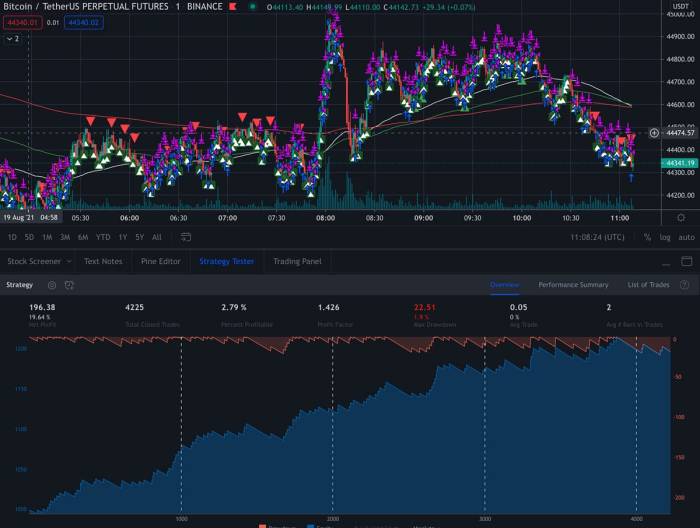
Source: medium.com
When utilizing trading bots, it’s crucial to understand that while they offer automation and efficiency, mistakes can undermine their effectiveness. Many traders fall into common traps that can lead to significant losses or missed opportunities. Recognizing and avoiding these pitfalls is essential for creating a successful trading strategy.One of the frequent errors traders make involves the reliance on one-size-fits-all settings without tailoring the bot’s parameters to specific market conditions or personal risk tolerance.
Failing to regularly update and maintain trading bots can also lead to subpar performance, as market dynamics are constantly evolving. Moreover, emotional trading decisions can creep in, especially when traders override the bot’s programmed strategy based on fear or greed. This section delves into these mistakes and offers strategies to mitigate their impact.
Frequent Errors in Bot Usage
Understanding the common errors made by traders can help in refining the approach to using trading bots effectively. Here are key mistakes to watch out for:
- Neglecting to customize bot settings: Many traders use default settings, which may not align with their specific trading goals or market conditions.
- Ignoring regular updates: Failing to keep the trading bot software updated can result in outdated algorithms that do not perform well under current market situations.
- Overtrading: Traders may set bots to execute trades excessively, leading to increased transaction costs and potential losses.
- Not backtesting strategies: Skipping the backtesting phase can lead to implementing ineffective strategies that haven’t been proven under different market conditions.
- Emotional overrides: When traders interfere with the bot’s operations based on emotions, they can undo the benefits of automation and precision.
Implications of Neglecting Updates and Maintenance
Regular updates and maintenance are critical for the optimal performance of trading bots. Outdated algorithms can become ineffective as they do not adapt to changes in market conditions. Users should be aware of the following implications of neglecting this aspect:
- Increased risk of losses: Bots that aren’t updated may not react appropriately to sudden market changes, leading to bad trades.
- Poor strategy execution: An unmaintained bot may execute trades that do not align with current market dynamics or user-defined criteria.
- Compatibility issues: Older versions of bots may face challenges with new trading platforms or APIs, resulting in operational disruptions.
Preventing Emotional Trading Decisions
Emotions can heavily influence trading decisions, often leading to detrimental outcomes. It’s essential to adopt strategies to ensure that emotional impulses do not interfere with the automated trading process. Here are tips to maintain a disciplined approach:
- Set clear trading rules: Establish specific criteria for when to enter and exit trades, and stick to these rules consistently.
- Regularly review performance: Analyze the bot’s performance to identify any patterns or tendencies that may indicate emotional decision-making.
- Use stop-loss and take-profit orders: These tools help limit losses and secure profits, reducing the urge to react emotionally to market fluctuations.
- Limit bot overrides: Resist the temptation to manually intervene in the bot’s operations unless absolutely necessary.
- Engage in continuous learning: Stay informed about market trends and bot performance to make educated decisions rather than impulsive ones.
Future of Trading Bots: How To Use Trading Bots For Daily Profit
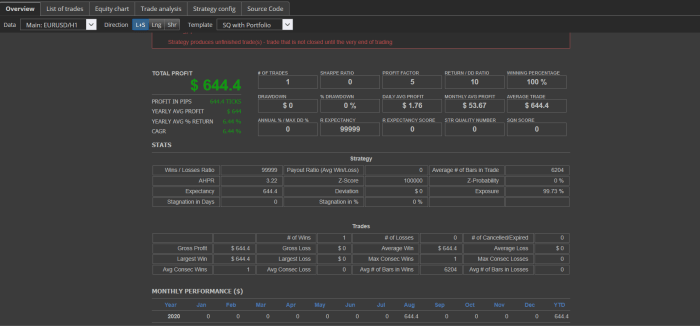
Source: forexrobotexpert.com
The landscape of trading bots is evolving at a rapid pace, driven by advancements in technology and changing market dynamics. As traders increasingly seek automation to enhance their strategies, the future of trading bots appears promising, with several trends emerging that could reshape the trading environment. This section analyzes current trends in trading bot technology and examines how they might impact trading practices in the near future.
Current Trends in Trading Bot Technology
Trading bot technology is integrating new features and capabilities that are enhancing user experience and performance. Notably, the rise of cloud computing and big data analytics is enabling more sophisticated trading algorithms, allowing bots to process vast amounts of market data in real-time. This shift is leading to more accurate predictions and faster execution of trades.
Moreover, the increasing popularity of decentralized finance (DeFi) is creating opportunities for trading bots to operate beyond traditional financial markets. Bots can now engage in liquidity provision, yield farming, and arbitrage across various decentralized platforms. This diversification of activities not only broadens the market reach of trading bots but also increases complexity in their operational frameworks.
Artificial Intelligence and Machine Learning Integration
Artificial intelligence (AI) and machine learning (ML) are at the forefront of the evolution of trading bots. By utilizing historical data, these technologies can identify patterns and trends that human traders may overlook. AI-driven bots are becoming capable of self-learning and adapting their strategies based on market conditions.
The integration of AI allows trading bots to conduct sentiment analysis by processing news articles and social media feeds, helping them gauge market sentiment and make informed decisions based on current events. For instance, a bot programmed to analyze Twitter trends can make trades based on the sentiment surrounding a particular cryptocurrency, adjusting its strategy dynamically.
Regulatory Changes and Their Implications
As automated trading practices gain traction, regulatory bodies are increasingly focusing on ensuring fair and transparent trading environments. Regulatory changes can have significant implications on how trading bots operate, especially in terms of compliance and reporting requirements.
For instance, regulations may require more extensive disclosures on trading strategies or impose restrictions on high-frequency trading practices. These changes aim to mitigate risks associated with market manipulation and to protect retail investors. It is essential for bot developers and traders alike to stay informed about these regulations to ensure their bots operate within legal frameworks.
As regulatory landscapes evolve, trading bots may need to incorporate compliance features to adjust to new rules, ensuring they remain effective while adhering to safety standards. This adaptability will be crucial for maintaining trader confidence and market stability in the future.
Final Thoughts
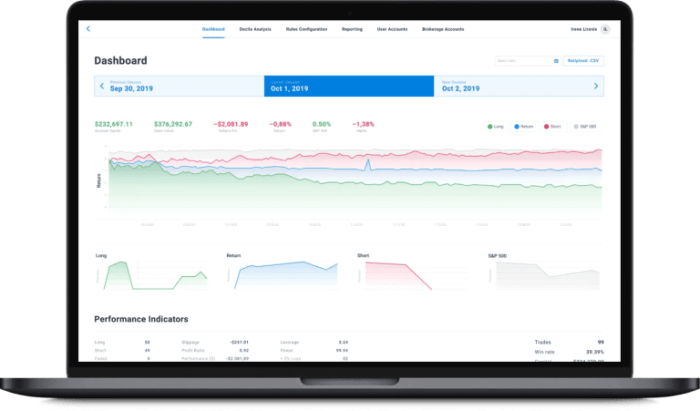
Source: smarttek.solutions
In conclusion, mastering How to Use Trading Bots for Daily Profit is not just about understanding the technology; it’s about developing a strategic approach that maximizes returns while minimizing risks. By employing the right tools and strategies, you can unlock the potential of trading bots, creating a path toward consistent profits in your trading endeavors. Remember, the future of trading is at your fingertips, and with the right mindset and knowledge, you can succeed in this dynamic environment.
FAQ Resource
What are trading bots in simple terms?
Trading bots are automated software programs that execute trades on behalf of traders based on predefined algorithms or market data analysis.
Do I need programming skills to use trading bots?
No, many trading bots come with user-friendly interfaces that require no programming skills, making them accessible to all traders.
Can trading bots guarantee profits?
No trading bots can guarantee profits, as trading always carries risks; however, they can help increase the chances of making profitable trades.
How do I choose the right trading bot?
Consider your trading goals, strategies, and the bot’s features, reviews, and compatibility with your preferred trading platform when choosing a trading bot.
Is it safe to use trading bots?
Using trading bots can be safe, but it’s essential to do thorough research, choose reputable bots, and implement proper risk management strategies.