How to Calculate Cryptocurrency Taxes Simplified Guide
How to Calculate Cryptocurrency Taxes is a crucial topic for anyone involved in the world of digital currencies. As cryptocurrencies continue to gain popularity, understanding the tax implications tied to trading and investing in them is more important than ever. This guide aims to break down the complexities of cryptocurrency taxation, detailing what constitutes taxable events, how to accurately calculate gains and losses, and the best practices for record-keeping and reporting to ensure compliance with tax regulations.
Moreover, we will explore strategies that can help minimize your tax liability and provide insights into the various tax treatments across different countries. Knowing the ins and outs of cryptocurrency taxes can not only save you money but also keep you in good standing with regulatory bodies.
Understanding Cryptocurrency Taxation
Cryptocurrency taxation refers to the regulatory framework governing the taxation of transactions involving cryptocurrencies. As digital assets gain popularity, understanding their tax implications becomes essential for traders and investors alike. Proper compliance not only avoids legal issues but also ensures accurate reporting and financial planning.Cryptocurrencies are treated differently based on their classification by tax authorities. The primary types include Bitcoin, altcoins, tokens, and stablecoins, each with specific tax rules.
For instance, Bitcoin and altcoins are typically classified as property, meaning capital gains tax applies when they are sold or exchanged. Tokens, depending on their use case, may fall under different categories such as securities or utility tokens, leading to varying tax treatments. Below, we explore various countries and their specific cryptocurrency tax regulations.
Countries with Specific Cryptocurrency Tax Regulations
Different countries have adopted unique approaches to cryptocurrency taxation, reflecting their regulatory environments. Understanding these regulations aids in ensuring compliance and optimizing tax responsibilities. Here are some notable examples:
- United States: Cryptocurrencies are considered property by the IRS, and transactions can trigger capital gains tax. Taxpayers are required to report their gains and losses in annual tax returns.
- Germany: In Germany, cryptocurrencies held for more than one year are tax-exempt. However, short-term gains from trades within this period are subject to income tax.
- United Kingdom: The UK treats cryptocurrencies as assets, subjecting them to capital gains tax. Traders must report profits exceeding the annual exempt amount.
- Australia: In Australia, cryptocurrencies are also considered assets, and capital gains tax applies. However, personal use assets with a value below AUD 10,000 may be exempt.
- Singapore: Singapore has a favorable stance towards cryptocurrencies, where only businesses dealing in digital assets are taxed under Goods and Services Tax (GST), while individual transactions are not taxed.
These examples highlight the diversity in cryptocurrency tax regulations around the globe. As the landscape continues to evolve, staying informed is critical for compliant trading and investment activities.
“Understanding the tax implications of cryptocurrency transactions is crucial for every investor to ensure compliance and avoid penalties.”
Taxable Events in Cryptocurrency
Cryptocurrency taxation can be quite complex, primarily due to the various situations that can trigger tax obligations. It’s essential for anyone engaged in cryptocurrency transactions to understand these taxable events, as they significantly affect how gains and losses are reported to tax authorities. Knowing when a taxable event occurs ensures compliance with tax regulations and helps in effective financial planning.The most common taxable events in cryptocurrency arise from buying, selling, and exchanging digital currencies.
Each of these actions can have different tax implications that may not be immediately apparent. It’s crucial to recognize that simply holding cryptocurrency isn’t a taxable event; instead, tax obligations typically arise when transactions occur. Understanding how these events work can empower individuals and businesses to navigate the cryptocurrency landscape with greater confidence.
Buying and Selling Cryptocurrency
Buying cryptocurrency with fiat currency (like USD or EUR) is generally not a taxable event in itself. However, selling cryptocurrency for fiat currency is considered a taxable event, as it often results in capital gains or losses. Here are some key points regarding buying and selling:
- When you sell cryptocurrency, the profit or loss is calculated based on the difference between the selling price and the purchase price (known as the cost basis).
- If the sale price exceeds the cost basis, you incur a capital gain; if it falls short, you incur a capital loss.
- Holding periods can affect tax rates; long-term capital gains may be taxed at a lower rate than short-term gains, depending on jurisdiction.
Exchanging Cryptocurrency
Exchanging one cryptocurrency for another represents another significant taxable event. The IRS and many other tax authorities classify this as a disposition of the first cryptocurrency. Here are important considerations:
- When exchanging cryptocurrencies, you must establish the fair market value of the coins received compared to the coins given up at the time of the exchange.
- Similar to selling, any resultant profit or loss is determined by the difference between the fair market value at the time of exchange and the original purchase price of the cryptocurrency you are exchanging.
- This applies even if no fiat currency is involved; for instance, exchanging Bitcoin for Ethereum is a taxable event.
Receiving Cryptocurrency as Payment
Receiving cryptocurrency as payment for goods or services also qualifies as a taxable event. This situation has specific implications for both the receiver and the payer. Here’s what to consider:
- When a business accepts cryptocurrency as payment, it must record the fair market value of the cryptocurrency on the date of receipt as income, which may then be subject to income tax.
- The payer may also have tax implications if they experience a capital gain or loss from using cryptocurrency to pay for goods or services.
- Tax authorities generally require businesses to maintain thorough records of cryptocurrency transactions, including the fair market value at the time of receipt to ensure proper reporting.
Understanding the implications of taxable events helps in maintaining compliance and optimizing tax responsibilities.
Calculating Cryptocurrency Gains and Losses
Source: squarespace-cdn.com
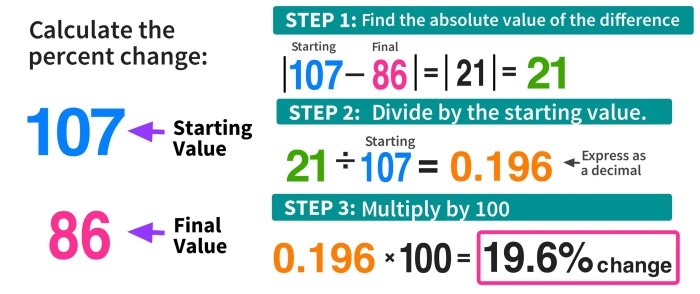
Understanding how to calculate gains and losses from cryptocurrency transactions is crucial for accurate tax reporting. Cryptocurrency volatility can lead to significant financial shifts that directly affect your tax obligations. Therefore, grasping the essentials of capital gains and losses calculation is vital for every crypto investor.To determine capital gains or losses from your cryptocurrency transactions, you need to compare the purchase price (cost basis) of the cryptocurrency with its selling price.
The general formula to calculate capital gain or loss is:
Capital Gain/Loss = Selling Price – Purchase Price
A positive result signifies a capital gain, while a negative result indicates a capital loss. It’s also important to consider any transaction fees that may apply, as these can affect your overall calculations.
Calculation Scenarios
Different scenarios can illustrate how to calculate gains and losses effectively. Here are a few examples to highlight various situations:
Simple Sale Example
Purchase Price
You bought 1 Bitcoin for $10,000.
Selling Price
You sell it later for $15,000.
Calculation
Gain = $15,000 – $10,000 = $5,000
This transaction results in a capital gain of $5,000.
Sale with Transaction Fees
Purchase Price
You bought 2 Ethereum for $5,000 ($2,500 each).
Selling Price
You sell them for $7,000 ($3,500 each), with a $100 fee for the transaction.
Calculation
Gain = $7,000 – $5,000 – $100 = $1,900
Here, the net capital gain is $1,900 when accounting for the fee.
Loss Scenario
Purchase Price
You bought 10 Litecoin for $1,000 ($100 each).
Selling Price
You sell them for $600 ($60 each).
Calculation
Loss = $600 – $1,000 = -$400
This transaction results in a capital loss of $400.
Long-Term vs Short-Term Gains
Short-Term Gain
If you sell Bitcoin within one year of purchase and make a profit of $3,000, this is taxed at your ordinary income tax rate.
Long-Term Gain
If you hold it for over a year before selling for a profit of $3,000, it may be taxed at a lower capital gains tax rate.Incorporating these calculations into your financial planning can help ensure you remain compliant with tax regulations while managing your cryptocurrency investments effectively. Always keep detailed records of your transaction history, including dates, amounts, and prices, to facilitate accurate reporting and avoid discrepancies.
Record Keeping for Cryptocurrency Transactions
Maintaining accurate records of cryptocurrency transactions is crucial for tax purposes. With the increasing number of trades and exchanges, proper documentation ensures compliance with tax laws and helps avoid potential penalties. Accurate records also enhance your ability to manage your investments effectively, enabling you to track performance and make informed decisions.To effectively track trades, several methods can be employed. You can opt for specialized software designed for cryptocurrency portfolio management, which simplifies the recording process and automatically calculates gains and losses.
Alternatively, manual tracking through spreadsheets can provide a customizable option, albeit requiring more diligence. Regardless of the method chosen, consistency in documentation is key to streamlining your tax reporting.
Essential Data Points to Record
Keeping well-organized and detailed records of your cryptocurrency transactions is imperative. Below are the essential data points that should be recorded for each transaction to ensure compliance and facilitate accurate tax calculations:
| Date | Transaction Type | Amount of Cryptocurrency | Price at Transaction | Fees | Notes |
|---|---|---|---|---|---|
| YYYY-MM-DD | Buy/Sell/Trade | Amount in Crypto | Price per Unit | Transaction Fees | Additional Information |
| YYYY-MM-DD | Buy/Sell/Trade | Amount in Crypto | Price per Unit | Transaction Fees | Additional Information |
“Accurate record-keeping is not just a tax obligation; it is a vital practice for managing your cryptocurrency investments.”
Using these data points, you can create a comprehensive transaction log that makes it easier to prepare your tax returns. Whether opting for software solutions or manual spreadsheets, the key is to remain diligent and thorough in your documentation practices.
Reporting Cryptocurrency Taxes
When it comes to reporting cryptocurrency taxes, it’s crucial to follow the required steps to ensure compliance with tax regulations. Just like any other income, gains from cryptocurrency transactions need to be reported accurately on your tax returns. The process can seem daunting, but breaking it down into organized steps can simplify the task significantly.To report cryptocurrency taxes, start by determining the total gains and losses from all your crypto transactions during the tax year.
Once you have this information, you’ll need to fill out the appropriate tax forms. In the United States, the primary forms used for reporting capital gains and losses are Schedule D and Form 8949.
Steps for Reporting Cryptocurrency Taxes
Begin by collecting all necessary data and follow these steps:
1. Calculate Total Gains and Losses
Aggregate the profits and losses from all crypto transactions, including trades, sales, and exchanges.
2. Complete Form 8949
This form is specifically for reporting sales and exchanges of capital assets. You’ll list each transaction, detailing dates, proceeds, cost basis, and gain or loss.
3. Transfer Totals to Schedule D
Once Form 8949 is filled out, transfer the totals to Schedule D, which summarizes your overall capital gains and losses.
4. Report on Your 1040
Finally, include the net gain or loss from Schedule D on your Form 1040, where you report your total income.
Forms Used for Reporting
Understanding the specific forms required for reporting is essential for tax accuracy:
Form 8949
This is used to report individual transactions. Each cryptocurrency trade must be detailed here, including:
Date acquired
Date sold
Proceeds from the sale
Cost basis
Gain or loss
Schedule D
This form summarizes all capital gains and losses. It aggregates data from Form 8949 and provides a comprehensive overview of your investment results.
Supporting Documents for Cryptocurrency Taxes
When filing taxes related to cryptocurrencies, having the right supporting documents is critical. These documents provide evidence for the data reported and can be vital in case of an audit. Consider gathering the following items:The importance of keeping thorough records cannot be overstated, as they substantiate your reported transactions.
- Transaction History from Exchanges: Detailed statements showing all transactions, including dates, amounts, and currencies involved.
- Wallet Statements: Records from your crypto wallets that detail deposits, withdrawals, and balances.
- Receipts for Purchases: Documentation for any purchases made with cryptocurrencies, including invoices and payment confirmations.
- Tax Forms from Exchanges: Any tax documents provided by exchanges or platforms where you traded crypto.
- Proof of Losses: Documents supporting any losses claimed, such as screenshots or transaction records showing trades that resulted in losses.
Strategies for Minimizing Cryptocurrency Tax Liability: How To Calculate Cryptocurrency Taxes
Investing in cryptocurrency can be exhilarating, but the tax implications can sometimes feel overwhelming. Fortunately, there are various strategies available to minimize your tax liability when trading cryptocurrencies. Understanding these strategies can help you keep more of your gains in your pocket while navigating the complex world of cryptocurrency taxation.One effective approach to managing tax liability is through tax-loss harvesting, which allows investors to offset gains by realizing losses on other investments.
This strategy involves selling underperforming assets to create a capital loss, which can then be used to reduce taxable gains from profitable trades. Utilizing tax-loss harvesting requires careful planning and timing to maximize its benefits.
Tax-Loss Harvesting and Its Application
Tax-loss harvesting is a proactive strategy that can significantly reduce your overall tax burden. By strategically selling assets that have decreased in value, you can offset gains realized from other trades. This approach is particularly useful in the volatile cryptocurrency market, where prices can fluctuate dramatically. Here’s how tax-loss harvesting can be effectively applied:
- Identify Losses: Regularly review your cryptocurrency portfolio to identify any assets that are currently underperforming. This could include coins that have significantly decreased in value since your purchase.
- Sell Underperformers: Once you have pinpointed these investments, consider selling them to lock in the loss. This action creates a capital loss that can be used to offset any capital gains realized during the year.
- Reinvest Wisely: After selling the underperforming assets, you can consider reinvesting in other cryptocurrencies or even repurchasing the same cryptocurrency after a period, keeping in mind the IRS rules regarding wash sales.
“Tax-loss harvesting allows investors to strategically reduce their taxable income by realizing losses on cryptocurrency trades.”
Long-Term Holding Versus Short-Term Trading
When it comes to cryptocurrency investments, the duration of your holdings can have significant tax implications. The difference between long-term and short-term capital gains is crucial for minimizing tax liability. Investors who hold their cryptocurrencies for more than one year benefit from lower long-term capital gains tax rates, which can be significantly less than the rates applied to short-term trades.
Short-term capital gains, applicable to assets held for one year or less, are taxed at the investor’s ordinary income tax rate, which is generally higher.For example, consider an investor who purchased Bitcoin for $10,000 and sold it for $20,000 after six months. This investor would face short-term capital gains tax on the $10,000 profit, taxed at their ordinary income rate, which could be as high as 37% depending on their income bracket.
Conversely, if the same investor held the Bitcoin for over a year before selling it for the same profit, they would be eligible for long-term capital gains rates, potentially reducing their tax liability to 15% or 20%.By understanding these distinctions and planning accordingly, investors can make informed decisions that could lead to significant tax savings over time.
“Holding onto cryptocurrency investments for over a year can result in substantial tax savings due to lower long-term capital gains rates.”
Staying Compliant with Cryptocurrency Tax Regulations

Source: societyfortheblind.org
To navigate the complex landscape of cryptocurrency taxation, it’s crucial to remain compliant with current tax laws. This not only helps avoid potential legal issues but also ensures that you can confidently manage your investments without undue stress. Understanding the obligations tied to cryptocurrency transactions is essential for all traders and investors in this space.Staying compliant with cryptocurrency tax regulations involves understanding the tax implications of your activities and adhering to the guidelines set by tax authorities.
Non-compliance can lead to severe repercussions, including fines, penalties, and even criminal charges in extreme cases. Therefore, maintaining diligent records and ensuring accurate reporting is key to managing your tax responsibilities effectively.
Best Practices for Compliance, How to Calculate Cryptocurrency Taxes
Implementing best practices in your approach to cryptocurrency taxes can help you stay on the right side of the law. Here are some important strategies to consider:
- Keep detailed records of all transactions, including dates, amounts, and the purpose of each trade.
- Utilize cryptocurrency tracking software to streamline record-keeping and ensure accurate reporting.
- Consult with a tax professional who specializes in cryptocurrency to ensure adherence to the latest regulations and practices.
- Stay updated on changes in tax laws regarding cryptocurrency, as these can vary significantly between jurisdictions.
- File your taxes accurately and on time to avoid late fees and penalties.
Implications of Non-Compliance
Failing to report cryptocurrency taxes accurately can lead to serious implications. Tax authorities are increasingly scrutinizing cryptocurrency transactions, and non-compliance can result in:
- Financial penalties that can accumulate over time, increasing the overall cost of non-compliance.
- Increased audit risk, which can lead to further investigation into your financial activities.
- Potential legal action, including criminal charges for tax evasion in severe cases.
It is essential to recognize that even if you have not made significant profits, failure to report can still lead to penalties, as tax authorities expect transparency regarding all transactions.
Tax Compliance Checklist for Cryptocurrency Traders
Creating a checklist can help you stay organized and ensure all necessary steps are taken for tax compliance. The following items are crucial for traders to manage their tax obligations effectively:
- Record all purchases and sales of cryptocurrency, including dates and values in your local currency.
- Document any transactions where you exchanged one cryptocurrency for another.
- Track any airdrops, staking rewards, or income received from cryptocurrency investments.
- Retain all receipts and records related to your cryptocurrency transactions, including fees paid.
- Review and verify your records before filing your taxes to ensure all information is accurate.
- Consult with a tax professional to finalize your tax return and address any complex transactions.
By following this checklist, you can confidently approach tax season, knowing you have taken the necessary steps to maintain compliance with cryptocurrency tax regulations.
Ultimate Conclusion
Source: wikihow.com
In summary, navigating the waters of cryptocurrency taxation doesn’t have to be overwhelming. By understanding the different taxable events, maintaining accurate records, and employing effective strategies, you can manage your tax obligations with confidence. Remember, staying informed and compliant is essential in the ever-evolving cryptocurrency landscape, ensuring that your investments continue to thrive without unexpected tax burdens.
Query Resolution
What are the tax rates for cryptocurrency gains?
The tax rates for cryptocurrency gains depend on your income level and how long you held the asset. Short-term gains are usually taxed at ordinary income rates, while long-term gains may benefit from lower capital gains rates.
Do I need to pay taxes on cryptocurrency I haven’t sold?
No, you typically only owe taxes on realized gains, meaning you only pay taxes when you sell or exchange your cryptocurrencies for fiat money or other assets.
How can I keep track of my cryptocurrency transactions?
You can keep track of your cryptocurrency transactions using various software applications specifically designed for crypto tax reporting, or you can manually record transactions in a spreadsheet.
What forms do I need to report cryptocurrency taxes in the U.S.?
In the U.S., you generally need to report cryptocurrency taxes using Form 8949 to summarize your transactions and Schedule D to report your total capital gains and losses.
What happens if I fail to report my cryptocurrency taxes?
Failing to report your cryptocurrency taxes can lead to penalties, interest on unpaid taxes, and potential legal consequences. It’s crucial to report accurately and on time.