How to Secure Your Crypto from Hackers and Stay Safe
How to Secure Your Crypto from Hackers is a vital topic in today’s digital age, as the rise of cryptocurrencies also invites a surge of malicious activity aimed at unsuspecting users. With a plethora of threats looming, from phishing scams to outdated software vulnerabilities, it’s crucial to equip yourself with the knowledge and tools to protect your assets. This guide will explore essential security measures, compare different wallet types, and share best practices to keep your crypto safe in a constantly evolving landscape.
By understanding the importance of robust security practices, you can mitigate risks and enjoy peace of mind while engaging in the exciting world of cryptocurrency. Whether you’re a seasoned trader or just starting, being proactive about security is key to safeguarding your investments.
Understanding Crypto Security
In today’s digital age, securing cryptocurrency has become a critical concern for users and investors alike. With the rise of digital assets, the importance of protecting these investments from potential threats cannot be overstated. Understanding the vulnerabilities that exist within the cryptocurrency landscape is essential for safeguarding one’s funds and maintaining trust in this innovative financial system.The significance of securing cryptocurrency lies not only in the protection of assets but also in the overall health of the cryptocurrency ecosystem.
Users face a variety of threats that can compromise their investments, and being aware of these dangers is the first step in mitigating risks. Common threats include hacking attempts, phishing schemes, and malware designed to exploit weaknesses in user security. Additionally, understanding key concepts related to cryptocurrency security can empower users to take proactive measures in protecting their digital assets.
Common Threats Faced by Crypto Users
There are several prominent threats that cryptocurrency users should be aware of to enhance their security posture. A clear understanding of these risks helps users implement effective countermeasures and protect their investments.
- Hacking Attacks: Cybercriminals often target exchanges and wallets to steal funds. High-profile hacking incidents have occurred, highlighting the need for robust security measures.
- Phishing Scams: Attackers use deceptive emails or websites to trick users into providing personal information or private keys. Recognizing legitimate communication is vital to avoid falling victim.
- Malware: Malicious software can be used to compromise devices and capture sensitive information. Keeping software updated and using reputable antivirus programs can help mitigate this risk.
- Social Engineering: Manipulating individuals to divulge confidential information is a common tactic. Users should be skeptical of unsolicited requests for sensitive data.
Key Concepts Related to Cryptocurrency Security
Understanding essential concepts in cryptocurrency security can significantly enhance users’ ability to protect their assets. Here are some fundamental ideas that every crypto user should be familiar with:
- Private and Public Keys: Private keys are secret codes that provide access to cryptocurrency wallets, while public keys are shared with others to receive funds. Keeping private keys secure is paramount to preventing unauthorized access.
- Two-Factor Authentication (2FA): Implementing 2FA adds an extra layer of security by requiring a second form of verification, such as a text message or authentication app.
- Cold Storage vs. Hot Wallets: Cold storage refers to keeping cryptocurrencies offline, while hot wallets are connected to the internet. Using cold storage can help safeguard assets from online threats.
- Regular Software Updates: Keeping wallet and exchange software updated ensures that vulnerabilities are patched, reducing the risk of exploitation by attackers.
“The best way to secure your digital assets is to remain informed and proactive in implementing security measures.”
Types of Cryptographic Wallets
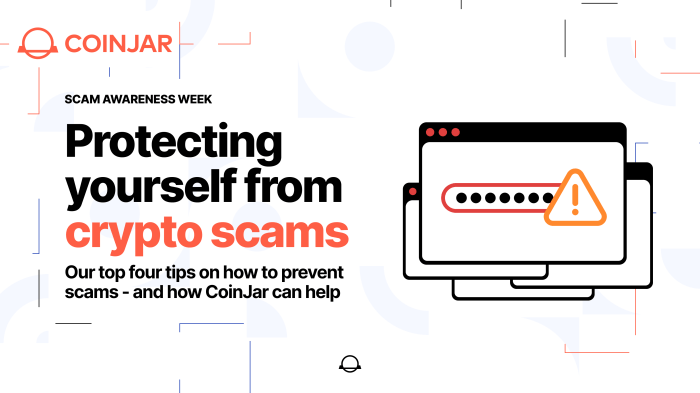
Source: coinjar.com
Cryptographic wallets play a crucial role in managing and securing your cryptocurrency holdings. They come in various forms, each designed to cater to different user needs and levels of security. Understanding the differences between wallet types is essential for making informed decisions about how to store your digital assets securely.Hot wallets and cold wallets represent the primary categories of crypto wallets, each with its unique characteristics.
Hot wallets are connected to the internet, making them convenient for frequent transactions, while cold wallets are offline storage solutions that provide enhanced security against hacking threats. Below is a comparison of these two types of wallets.
Comparison of Hot Wallets and Cold Wallets, How to Secure Your Crypto from Hackers
Hot wallets, such as mobile or web wallets, are user-friendly and ideal for everyday transactions. However, being online exposes them to internet-based threats. In contrast, cold wallets, like hardware and paper wallets, are less convenient for immediate transactions but offer superior security since they are not connected to the internet.
Hot wallets, while convenient, pose a greater risk of exposure to cyber threats. Cold wallets provide a safer alternative for long-term storage.
Pros and Cons of Hardware Wallets
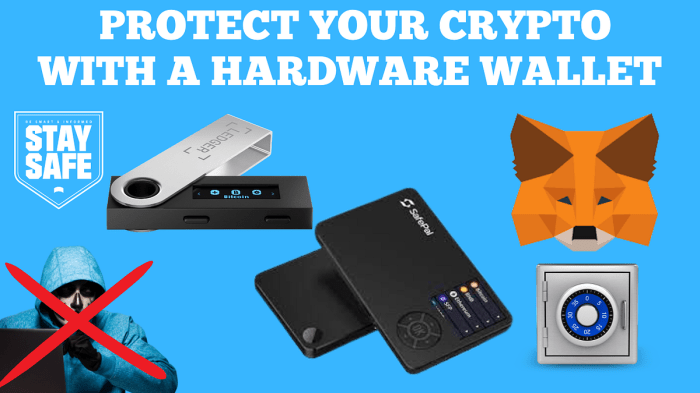
Hardware wallets are a popular type of cold wallet known for their robust security features. They store your private keys offline, making them less susceptible to hacking. Despite their advantages, there are both pros and cons to consider when using hardware wallets.The benefits of hardware wallets include:
- Enhanced security due to offline storage
- Protection from malware and phishing attacks
- User-friendly interfaces for managing multiple cryptocurrencies
On the downside, hardware wallets also have some drawbacks:
- Higher initial cost compared to software wallets
- Physical damage or loss can result in loss of access
- May require additional steps for transactions, making them less convenient for frequent trading
Popular Wallet Options and Their Security Features
When selecting a wallet, it’s essential to understand the security features each option offers. Below is a table listing popular wallet options along with their key security features.
| Wallet Type | Name | Security Features |
|---|---|---|
| Hardware Wallet | Trezor Model T | PIN protection, Recovery seed, Encrypted storage |
| Hardware Wallet | Ledger Nano X | Secure chip, Bluetooth connectivity, Ledger Live app |
| Hot Wallet | Exodus | Built-in exchange, Multi-currency support, Private keys stored locally |
| Mobile Wallet | Trust Wallet | Biometric security, Private keys stored on device, Multisig support |
| Paper Wallet | WalletGenerator.net | Offline generation, No digital footprint, Printout security |
Strong Password Practices
Creating strong passwords is crucial for securing your cryptocurrency accounts. Weak passwords can easily be compromised, leading to potential losses. Implementing robust password practices ensures that your digital assets remain safe from unauthorized access and cyber threats.To establish a strong password, it is important to combine various elements that make it difficult to guess. A well-structured password consists of a mix of uppercase letters, lowercase letters, numbers, and special characters.
The longer the password, the better, with a minimum recommendation of 12 characters. It’s also wise to avoid using easily identifiable information, such as birthdays or names, as these can be easily discovered or guessed.
Guidelines for Creating Robust Passwords
When crafting passwords for your crypto accounts, consider the following guidelines to enhance security:
- Use a combination of letters, numbers, and symbols.
- Avoid common words or phrases, and steer clear of personal information.
- Incorporate random passphrases or sentences that are easy for you to remember but hard for others to guess.
- Change passwords regularly, aiming for every three to six months.
- Utilize unique passwords for different accounts to prevent a domino effect in case one is compromised.
Significance of Two-Factor Authentication (2FA)
Two-factor authentication (2FA) adds an extra layer of security to your accounts, making it significantly harder for potential hackers to gain access. By requiring a second form of verification beyond just a password, 2FA effectively mitigates the risk associated with compromised passwords.When enabling 2FA, users typically receive a code via SMS, email, or a dedicated authenticator app. This means that even if a hacker manages to obtain your password, they would still need access to your second verification method to log in successfully.
Methods to Securely Store and Manage Passwords
Efficient password management is essential for maintaining security. There are various methods to securely store and manage your passwords without compromising on safety:
- Utilize password managers that encrypt your passwords and store them in a secure vault.
- Ensure your password manager has strong security measures, including zero-knowledge architecture.
- Keep your password manager updated to protect against vulnerabilities.
- Regularly back up your passwords in a secure format, avoiding plain text files.
- Consider using hardware tokens or biometric authentication where available for additional security.
“Strong passwords and two-factor authentication are your first line of defense against hacking.”
Recognizing Phishing Attacks
Phishing attacks are a prevalent threat within the cryptocurrency space, specifically targeting users to steal sensitive information and funds. Cybercriminals craft deceptive communications that often appear legitimate, leading unsuspecting individuals to divulge their private keys or login credentials. Understanding how these attacks work is crucial for anyone involved in the crypto ecosystem.Phishing can take several forms, often appearing as emails, messages, or websites that mimic well-known services.
These fraudulent attempts typically encourage users to click on links or provide personal information under false pretenses. Being able to identify these threats is essential to safeguarding your crypto assets.
Identifying Suspicious Emails and Websites
Recognizing the signs of phishing is vital for protecting your cryptocurrency holdings. Here are some key indicators to watch for:
- Unusual sender addresses: Inspect the email address closely. Phishing emails often come from addresses that look similar to legitimate ones but contain misspellings or additional characters.
- Generic greetings: Phishing communications may use vague salutations like “Dear Customer” rather than your name, indicating a mass email blast.
- Suspicious links: Hover over links without clicking to see the actual URL. Phishing sites may look like real sites but lead to different domains.
- Urgent language: Threatening or urgent messages prompting immediate action are red flags. Legitimate organizations typically do not pressure users in this manner.
- Typos and grammatical errors: Many phishing attempts contain errors in spelling and grammar, suggesting a lack of professionalism.
Common Phishing Tactics Against Cryptocurrency Holders
Phishing attempts evolve constantly, employing various tactics to exploit users. It’s crucial to be aware of these common strategies:
- Impersonation of trusted entities: Scammers often impersonate well-known exchanges or wallet services, creating a false sense of security.
- Fake giveaways: Fraudulent promotions claiming to double your crypto in exchange for a small amount often lead to loss of funds.
- Account verification requests: You may receive emails asking you to verify your account due to “suspicious activity,” which direct you to fake login pages.
- Malicious software: Phishing attacks may include attachments or links that install malware on your device, compromising your security.
- Social media scams: Scammers use social media platforms to reach potential victims with direct messages or fake accounts, promoting fraudulent schemes.
“The best defense against phishing is awareness; always verify the source before clicking on links or sharing information.”
Keeping Software Up-to-Date
Source: beingcrypto.com
Regularly updating your wallet and exchange software is crucial in maintaining the security of your cryptocurrency investments. Cyber threats evolve rapidly, and software developers frequently release updates to combat these emerging vulnerabilities. By staying up-to-date, you significantly reduce the risk of falling victim to hackers who exploit outdated systems.Outdated software can lead to various vulnerabilities that hackers eagerly exploit. When you don’t update your wallet or exchange software, you miss critical security patches designed to fix known issues.
These vulnerabilities can allow unauthorized access to your funds, resulting in potential losses. Moreover, many new features included in updates are designed to enhance user experience and security, making it essential to keep your software current.
Checklist for Maintaining Software Updates
To ensure your crypto security remains robust, follow this checklist for maintaining software updates. Regular adherence to these practices will help you stay one step ahead of potential threats.
- Enable Automatic Updates: Most wallet and exchange applications offer an option for automatic updates. Enable this feature to ensure you receive the latest security patches without manual intervention.
- Check for Manual Updates: If you prefer manual updates, regularly check the software for any updates. Set a reminder to do this at least once a month.
- Read Release Notes: Before applying updates, review the release notes provided by developers. This information can highlight critical security fixes and new features that may impact your usage.
- Backup Before Updating: Always backup your wallet and critical information before performing updates. This protects your assets should the update process lead to unexpected issues.
- Utilize Trusted Sources: Only download updates from official sources. Avoid third-party websites or links, as they may distribute malicious software that compromises your security.
- Monitor Security News: Stay informed about the latest security trends in the crypto space. Follow credible cryptocurrency news platforms to be aware of any urgent updates or vulnerabilities discovered in popular software.
By consistently following this checklist, you enhance your overall cryptocurrency security and protect your digital assets from potential threats posed by outdated software.
Safe Trading Practices
In the fast-paced world of cryptocurrency, ensuring safety during trading is paramount. The volatility of digital currencies can lead to significant losses if proper precautions are not taken. Adopting safe trading practices not only protects your investments but also contributes to the overall health of the cryptocurrency ecosystem.Using reputable and secure exchanges is essential for safe trading. An exchange with a strong security track record provides peace of mind and a stable platform for transactions.
To help guide your choice of trading platforms, here’s a comparison of features from top-rated exchanges focusing on their security measures.
Comparison of Top-Rated Exchanges
When selecting an exchange, it’s crucial to consider various security features. Below is a table that Artikels some of the most notable exchanges and their security attributes:
| Exchange | Two-Factor Authentication | Cold Storage | Insurance Policy | Regulatory Compliance |
|---|---|---|---|---|
| Binance | Yes | Yes | Yes | Yes |
| Coinbase | Yes | 98% in cold storage | Yes | Yes |
| Kraken | Yes | Yes | Yes | Yes |
| Gemini | Yes | Yes | Yes | Yes |
| Bittrex | Yes | Yes | No | Yes |
To ensure the safety of your trades, consider implementing additional security measures. Always conduct trades on secure networks, avoid public Wi-Fi, and maintain updated anti-virus software. Employing a strong password that combines letters, numbers, and symbols is also instrumental in safeguarding your accounts.
“The best security measures are those that one does not see until it is too late.”
Being proactive about security and taking the time to choose a reliable exchange can protect your assets from potential threats and enhance your trading experience.
Backup and Recovery Strategies
Source: medium.com
Backing up your wallet information is a crucial step in securing your cryptocurrency assets. In the unpredictable world of cryptocurrencies, losing access to your wallet due to hardware failure, accidental deletion, or even theft can lead to irreversible loss. A well-planned backup and recovery strategy ensures that your funds are safe and recoverable, no matter what happens.Creating a secure backup of your crypto wallet involves a few essential steps.
It’s important to not only back up your wallet file but also to safeguard your private keys and recovery phrases. Here’s how to go about it:
Secure Backup Process
A systematic approach to backing up your crypto wallet and keys involves the following steps:
1. Select your storage medium
Choose the right storage device for your backup. Options include USB drives, external hard drives, or secure cloud storage services.
2. Backup your wallet
Most wallets provide an option to export or back up your wallet file. Make sure to export this file and save it to your chosen storage medium.
3. Secure your private keys
If your wallet allows, export your private keys and save them in a secure location. Consider encrypting this file to add an extra layer of security.
4. Store your recovery phrase
Write down your recovery phrase—the unique set of words provided by your wallet for recovery purposes. Store this phrase in a safe place, such as a safe deposit box or a secure physical location.
5. Verify your backups
After creating backups, it’s important to verify that they work. You can do this by attempting to restore your wallet using the backup files or recovery phrase in a secure environment.
“A recovery phrase, also known as a seed phrase, is a string of words that allows you to regain access to your crypto wallet. This phrase is critical to your wallet’s security, as losing it can mean losing access to your funds forever.”
Regularly reviewing and updating your backup strategy ensures that you remain protected against unforeseen circumstances. Storing backups in multiple locations, both physically and digitally, increases your chances of recovery in any situation. Always prioritize the security and confidentiality of your backup information to safeguard your digital assets.
Using Privacy Features: How To Secure Your Crypto From Hackers
In the world of cryptocurrencies, maintaining privacy has become increasingly important for users seeking security from prying eyes and potential hackers. Various cryptocurrencies offer unique privacy-enhancing features designed to obfuscate transaction details and user identities. Utilizing these features can significantly bolster your overall security and protect your financial information from unwanted exposure.Certain cryptocurrencies come equipped with advanced privacy functionalities that can shield your transactions from public scrutiny.
Among these, Monero and Zcash stand out as leading options. Monero employs ring signatures, stealth addresses, and confidential transactions, making it extremely difficult for third parties to trace the origins and destinations of funds. Zcash, on the other hand, offers optional privacy features through zk-SNARKs, allowing users to transact invisibly while still being able to prove the legitimacy of transactions.
Benefits of Privacy-Focused Wallets and Networks
Utilizing privacy-focused wallets and networks enhances your transaction anonymity, ensuring that your financial activities remain confidential. These wallets integrate privacy features that help mask your transaction history and personal information. Here are the key advantages of using such wallets:
- Enhanced Anonymity: Privacy wallets obscure your real identity and transaction details, making it challenging for anyone to trace your activities back to you.
- Control Over Data: Users have greater control over their financial data, allowing them to choose which information to share and with whom.
- Protection from Surveillance: By using privacy features, you reduce the risk of being targeted by hackers or adversaries attempting to surveil your financial behavior.
- Freedom of Transaction: Conducting transactions anonymously encourages the free exchange of value without fear of censorship or financial profiling.
Methods for Enhancing Transaction Anonymity
To further enhance your transaction anonymity while using cryptocurrencies, consider implementing the following methods:
- Use of Mixing Services: These services mix your coins with those of other users, making it difficult to trace the original source. Popular mixing services include CoinJoin and Wasabi Wallet.
- Adopting Privacy Coins: Opt for cryptocurrencies designed with privacy in mind. Monero, Dash, and Zcash are excellent choices that offer built-in privacy features.
- Utilizing Tor or VPNs: Accessing your wallet through Tor or a Virtual Private Network (VPN) can mask your IP address, adding an extra layer of anonymity to your transactions.
- Regularly Change Wallet Addresses: Using new wallet addresses for each transaction can prevent the linking of your transactions and enhance your overall anonymity.
Utilizing privacy features is not just about anonymity; it’s about empowering users to take control of their financial freedom while protecting their valuable data.
Staying Informed About Security Threats
In the fast-evolving world of cryptocurrency, staying updated on security threats is crucial for safeguarding your investments. Cybercriminals are constantly developing new tactics to exploit vulnerabilities, making it essential for crypto users to keep a pulse on the latest news and trends in security. By being informed, you can proactively adapt your security measures to mitigate risks.Learning about new threats and protective measures is an ongoing process that requires dedication.
Engaging with credible resources can provide insight into the latest security vulnerabilities, best practices, and technological advancements in the crypto space. By relying on trusted information, you can enhance your understanding of the security landscape and take appropriate actions to protect your assets.
Resources for Crypto Security Information
Staying updated on security threats requires utilizing reliable resources that offer timely and accurate information. The following list Artikels a range of credible sources for learning about cryptocurrency security:
- CoinDesk: A leading news website dedicated to blockchain and cryptocurrency, offering updates on market trends, security incidents, and expert opinions.
- CryptoSlate: Provides news, analysis, and insights into the cryptocurrency ecosystem, with a focus on security alerts and industry developments.
- Twitter Accounts: Follow cybersecurity experts and cryptocurrency analysts, as platforms like Twitter can provide real-time updates on emerging threats and security breaches.
- Medium: Many experts publish articles on Medium detailing their experiences and recommendations regarding crypto security, making it a valuable source for learning from the community.
- Security Blogs: Websites like Krebs on Security or the blogs of cybersecurity firms often discuss vulnerabilities and emerging threats relevant to the crypto space.
- Reddit: Subreddits related to cryptocurrency and cybersecurity, such as r/CryptoCurrency or r/CryptoSecurity, can be helpful for discussions and sharing recent security news.
Utilizing these resources can empower you with the knowledge necessary to make informed decisions about your crypto investments and security practices. Regularly checking these platforms ensures that you are well-versed in the latest threats and can take proactive measures to keep your crypto assets safe.
“Being informed is the first line of defense against cybersecurity threats.”
Conclusive Thoughts
In conclusion, securing your cryptocurrency from hackers requires a multifaceted approach, including understanding threats, choosing the right wallets, and maintaining strong security habits. By staying informed and implementing the strategies discussed, you can significantly reduce your vulnerability to attacks. Remember, the key to a secure crypto experience lies in vigilance and continuous improvement of your security measures.
FAQ Insights
What should I do if I suspect a phishing attack?
If you suspect a phishing attack, do not click any links or provide personal information. Report the email or website to your crypto platform and change your passwords immediately.
How often should I update my wallet software?
You should check for updates regularly, ideally every few weeks, to ensure you have the latest security features and bug fixes.
Can I recover my crypto if I lose my wallet?
If you have a backup of your wallet and recovery phrases, you can restore your crypto. Without these, recovery may not be possible.
Are hardware wallets worth the investment?
Yes, hardware wallets are generally considered one of the most secure options for storing cryptocurrency, as they keep your private keys offline.
What is two-factor authentication (2FA) and why is it important?
2FA adds an extra layer of security by requiring a second form of verification, such as a text message or authentication app, making it harder for hackers to access your accounts.