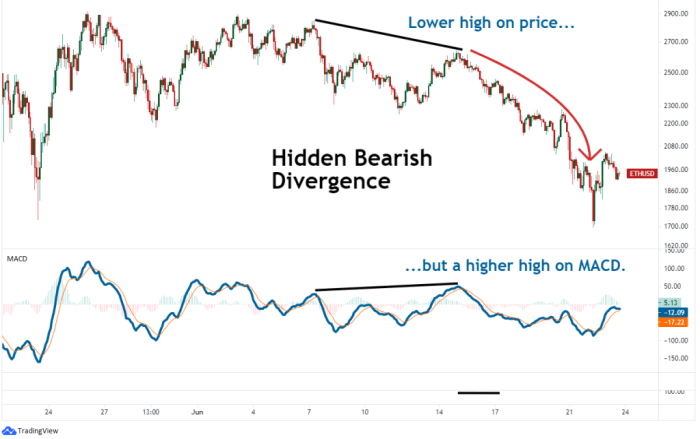
Why Market Sentiment Plays a Big Role in Crypto Trading
Why Market Sentiment Plays a Big Role in Crypto Trading is more than just a catchy title; it encapsulates the very essence of how emotions, perceptions, and collective behaviors influence trading decisions in the cryptocurrency landscape. In an arena defined by volatility and rapid shifts, understanding market sentiment can be the key to unlocking profitable trading strategies. Investors often react not just to data but to their feelings about what the data signifies, making sentiment analysis an essential tool for navigating the crypto waters.
The crypto market is unique; it thrives on speculation, hype, and sometimes sheer panic. As such, market sentiment becomes a barometer for predicting price movements, as illustrated by historical instances where news events or social media trends have led to dramatic price fluctuations. By delving into the psychological aspects and the tools available for measuring sentiment, traders can better position themselves to make informed decisions in this exciting yet unpredictable market.
Importance of Market Sentiment in Crypto Trading

Source: andersonwwilliams.com
Market sentiment serves as a key indicator in the realm of cryptocurrency trading, influencing investor behavior and market dynamics. Understanding how sentiment shifts can greatly impact trading strategies and outcomes is essential for both novice and seasoned investors. Typically measured through social media trends, news headlines, and overall public perception, market sentiment can sway prices more dramatically than traditional financial metrics.
Market sentiment significantly influences investor decisions, as traders often act based on emotions rather than cold, hard data. When sentiment is bullish, optimism prevails, leading to increased buying activity, while bearish sentiment can trigger panic selling. One notable example of this occurred in 2017, when Bitcoin’s price skyrocketed to nearly $20,000 amid widespread media coverage and social media hype. Conversely, the market crash in early 2018, where Bitcoin’s price plummeted, was largely driven by negative sentiment fueled by regulatory concerns and market corrections.
Psychological Factors Contributing to Market Sentiment, Why Market Sentiment Plays a Big Role in Crypto Trading
The psychology of traders greatly affects market sentiment, particularly in the volatile crypto environment. Various psychological factors can create shifts in market perception, including:
- Fear of Missing Out (FOMO): This phenomenon occurs when investors rush to buy assets due to rising prices, fearing they might miss potential profits. FOMO can lead to rapid price increases as more participants enter the market.
- Panic Selling: During market downturns, negative sentiment often triggers panic selling, where investors hastily liquidate their positions, exacerbating price drops.
- Herd Behavior: Many traders tend to follow the actions of others. When they observe large buy or sell orders, they may mimic those actions, which can lead to significant price movements.
- Confirmation Bias: Investors often seek out information that confirms their existing beliefs about a cryptocurrency, ignoring contradictory data. This can skew market sentiment and influence trading decisions.
The interplay of these psychological factors creates a highly reactive trading environment, where emotions can overshadow logical analysis. As a result, being aware of market sentiment and its emotional undercurrents is crucial for successful trading in the cryptocurrency landscape.
Measuring Market Sentiment
Source: lean.org
Market sentiment is a pivotal factor in the cryptocurrency landscape, as it often drives price movements and trading decisions. Understanding how to gauge this sentiment allows traders to better anticipate market trends and make informed decisions. Various methods exist to measure market sentiment, each providing unique insights into the collective mood of investors and traders.
Sentiment Measurement Methods
There are several effective methods utilized to assess market sentiment in the crypto space. By leveraging these tools, traders can gain a clearer picture of market dynamics. Below are some widely used sentiment indicators along with their descriptions:
| Sentiment Indicator | Description |
|---|---|
| Fear and Greed Index | A popular index that gauges the emotional sentiment of the market, ranging from extreme fear to extreme greed, based on various factors such as volatility, market momentum, and social media trends. |
| Social Media Metrics | Analyzing data from platforms like Twitter and Reddit helps in understanding public sentiment. Metrics such as post volume, engagement rates, and sentiment analysis of comments provide valuable insights. |
| Google Trends | This tool tracks the frequency of specific search terms related to cryptocurrencies, reflecting interest levels and potential future price movements based on public curiosity. |
| Market Surveys | Surveys conducted among traders and investors can provide qualitative insights into sentiment and expectations regarding future market conditions. |
Traders can also utilize on-chain data to assess market sentiment. On-chain metrics, such as transaction volumes, wallet activities, and exchange inflows/outflows, reveal critical insights into market conditions. For instance, an increase in the number of active addresses may indicate growing interest, while significant exchange outflows can suggest accumulation and confidence among holders.
“On-chain data provides a transparent view of market activity, making it an essential tool for sentiment analysis.”
By combining these methods, traders can develop a more comprehensive understanding of market sentiment, which can significantly enhance their trading strategies and risk management approaches.
Impact of News and Social Media
The influence of news and social media on market sentiment cannot be overstated, especially in the volatile world of cryptocurrency trading. With news traveling at lightning speed and social media platforms buzzing with opinions and insights, traders often find themselves swayed by the latest headlines or trending topics. Understanding how these factors shape market sentiment is crucial for making informed trading decisions.The relationship between news events and market sentiment is not just casual; it’s deeply intertwined.
Major announcements, regulatory changes, or technological advancements can evoke strong reactions from investors, leading to rapid price fluctuations. For instance, positive news about a significant partnership or adoption of a cryptocurrency can lead to bullish sentiment, while negative news can trigger panic selling.
Influence of News Events on Market Prices
News events play a pivotal role in setting the tone for market sentiment and consequently impacting cryptocurrency prices. The immediacy with which news reaches the public allows traders to react quickly, sometimes even before comprehensive analysis can be conducted. Here are key factors that illustrate this relationship:
- Regulatory Announcements: News regarding regulations, whether positive or negative, can have profound effects on prices. For example, the announcement of Bitcoin futures trading by a major exchange led to a surge in Bitcoin’s price as it signified institutional acceptance.
- Technological Breakthroughs: Innovations within the blockchain space, such as Ethereum’s upgrade to Ethereum 2.0, often lead to increased investor confidence and price rallies.
- Market Manipulation Reports: Scandals involving exchange hacks or fraudulent activities can lead to a significant decline in prices as fear spreads among traders.
The speed at which news spreads, particularly through social media, creates a unique environment for crypto traders. Social media not only amplifies news but also shapes public perception through influencer opinions and trending topics.
Role of Social Media Trends and Influencers
Social media platforms have become critical channels for disseminating information and shaping market sentiment. The opinions of influencers and the virality of certain trends can sway investor behavior significantly. Influencers, often seen as thought leaders in the cryptocurrency space, can drive large communities to react to their sentiments, whether bullish or bearish. This phenomenon can lead to the following impacts:
- Viral Trends: When a particular cryptocurrency becomes a trending topic on platforms like Twitter or TikTok, it can lead to a sudden influx of new investors, driving prices up rapidly.
- Influencer Endorsements: Positive endorsements from well-known figures can create a sense of legitimacy and encourage buying, illustrated by Elon Musk’s tweets about Dogecoin, which led to explosive price increases.
- Community Sentiment: Platforms like Reddit have demonstrated how collective sentiment can drive market movements, notably seen during the GameStop short squeeze, where crypto was also mentioned as an alternative investment.
The impact of social media on market sentiment is often evidenced through immediate market reactions to viral news or tweets. Traders must be aware of these dynamics to navigate the market effectively and capitalize on the fluctuations induced by news and social media trends.
Case Studies of Viral News Reports
Analyzing specific instances of viral news reports highlights the immediate effects on the crypto market. Here are notable examples:
- Coinbase IPO: When Coinbase went public in April 2021, it generated massive media coverage and optimism around the mainstream acceptance of cryptocurrency. This event led to a temporary spike in prices across the crypto market.
- China’s Ban on Crypto: A series of announcements in 2021 regarding China’s crackdown on cryptocurrency mining and trading caused a sharp decline in Bitcoin’s price, showcasing how negative news can quickly shift market sentiment.
- Elon Musk’s Tweets on Dogecoin: Musk’s tweets in early 2021 about Dogecoin led to skyrocketing prices, proving how a single influential voice can affect the entire market.
These examples demonstrate the powerful interplay between news, social media, and market sentiment in the crypto trading landscape, reinforcing the importance for traders to stay informed and reactive to the evolving media environment.
Behavioral Finance and Market Sentiment
In the rapidly evolving landscape of cryptocurrency trading, understanding the interplay between behavioral finance and market sentiment is crucial. Behavioral finance analyzes how psychological factors influence investors’ decisions, particularly in an environment as volatile as crypto markets. By recognizing these influences, traders can better navigate market dynamics and make more informed decisions.Behavioral finance is rooted in the idea that investors are not always rational and can be swayed by emotions and cognitive biases.
In the realm of crypto trading, this manifests in various ways, shaping market sentiment and influencing trading behaviors. Key principles include the acknowledgment of irrational behavior, overconfidence, and herd mentality, all of which can significantly impact market movements.
Emotional Biases in Trading
Traders often experience several emotional biases that can skew their decision-making processes. Understanding these biases is essential for effective trading. Common biases include:
- Overconfidence Bias: Many traders overestimate their knowledge or predictive abilities, leading them to take excessive risks. This bias often results in significant losses, especially in a volatile market like cryptocurrency.
- Loss Aversion: The fear of losing money can cause traders to hold onto losing positions longer than they should, hoping for a reversal instead of cutting their losses.
- Herd Behavior: Traders may follow the crowd, buying or selling based on the actions of others rather than their own analysis. This can create bubbles or crashes in the market, driven by collective emotional responses.
- Confirmation Bias: Traders often seek information that confirms their existing beliefs while disregarding contradictory data. This leads to skewed decision-making and can amplify poor choices.
Recognizing these emotional biases is the first step toward developing strategies that mitigate their effects. By understanding how these biases can distort judgment, traders can adopt more rational approaches to their trading decisions.
Strategies to Mitigate Emotional Trading
Implementing practical strategies can help traders manage their emotions and make more rational decisions based on market sentiment. Effective strategies include:
- Establishing a Trading Plan: A well-defined trading plan helps set clear entry and exit points, minimizing impulsive decisions driven by emotional responses.
- Utilizing Stop-Loss Orders: Setting stop-loss orders protects against significant losses and helps traders stick to their predetermined risk tolerance levels.
- Practicing Mindfulness: Techniques such as meditation or deep breathing can help in managing stress and maintaining emotional balance, allowing traders to think more clearly during trading sessions.
- Staying Informed but Objective: Keeping up-to-date with news and market changes is essential, but it’s crucial to assess information critically and not be swayed by sensationalist headlines or social media hype.
- Reflecting on Past Trades: Regularly reviewing past trades can provide insights into emotional patterns and help traders recognize how their feelings impact decision-making.
By incorporating these strategies, traders can better align their actions with rational analysis, reducing the influence of detrimental emotional biases and enhancing their overall trading performance in the crypto market.
Sentiment Analysis Tools
Sentiment analysis tools play a pivotal role in the cryptocurrency trading landscape, providing traders with insights into market mood and emotional trends. By leveraging data from various sources, these tools help traders to make informed decisions based on prevailing market sentiment, enhancing their trading strategies and risk management.These tools typically aggregate and analyze sentiments expressed in news articles, social media platforms, forums, and other digital spaces.
The functionality of these platforms can vary, but they usually encompass sentiment scoring, trend analysis, and visualization tools that present data in an easily digestible format. The advantages of using sentiment analysis tools include improved timing for trades, identification of market trends before they become apparent, and the ability to gauge the general consensus on specific cryptocurrencies.
Popular Sentiment Analysis Tools
Several sentiment analysis tools have emerged that cater specifically to cryptocurrency traders. Here’s a list of some of the most widely used tools in the industry:
- TradingView: Known for its advanced charting capabilities, TradingView also offers sentiment indicators that help traders see the prevailing market mood based on user activity and trading volume.
- CryptoMood: This tool aggregates news, social media posts, and forum discussions to provide real-time sentiment scores for various cryptocurrencies, allowing traders to gauge market sentiment effectively.
- Santiment: Santiment provides data feeds and market insights, including sentiment analysis, allowing traders to track social media trends and news sentiment related to cryptocurrencies.
- Glassnode: While primarily focused on on-chain data, Glassnode incorporates sentiment analysis by providing metrics related to investor behavior and market sentiment shifts.
- LunarCRUSH: This platform focuses on social media sentiment analysis, tracking engagement across various platforms and presenting data on how sentiment trends correlate with price movements.
Incorporating sentiment analysis into trading strategies can significantly enhance decision-making processes. Traders are encouraged to consider the following tips for effective integration:
Combine Data Sources
Utilize multiple sentiment analysis tools to get a comprehensive view of market sentiment. Each tool may analyze different sources, leading to a more robust understanding.
Analyze Historical Sentiment Trends
Look at how historical sentiment correlates with price movements to identify patterns. Understanding past behavior can inform future trading decisions.
Stay Updated with News
Real-time news monitoring is essential. Sentiment can shift rapidly based on breaking news, so being informed helps traders adapt their strategies promptly.
Use Visual Tools for Clarity
Many sentiment analysis platforms provide visual representations of sentiment trends. Utilize these visual aids to quickly interpret data and make informed decisions.
Adjust Trading Strategies Accordingly
Be flexible with your trading strategies based on sentiment analysis. If sentiment shifts dramatically, it may be wise to reevaluate your positions and market approach.In summary, sentiment analysis tools equip traders with vital insights that can significantly impact their trading performance in the dynamic cryptocurrency market. By understanding and leveraging these tools, traders can make more informed decisions and better navigate the complexities of crypto trading.
Case Studies on Market Sentiment Shifts
Market sentiment can significantly influence the value of cryptocurrencies, often leading to dramatic price swings. Understanding these shifts invites traders to analyze how collective behavior impacts market dynamics. This section examines notable case studies of various cryptocurrencies, showcasing how market sentiment has driven price fluctuations and revealing lessons for traders.
Notable Cryptocurrency Case Studies
Several cryptocurrencies exemplify the relationship between market sentiment and price movement. By exploring these case studies, traders can glean insights into the patterns that signify sentiment shifts, which can inform their future trading strategies.
| Cryptocurrency | Event | Impact on Price | Market Sentiment Indicator |
|---|---|---|---|
| Bitcoin (BTC) | 2017 Bull Run | Price soared from $1,000 to nearly $20,000 | Increased media coverage and social media enthusiasm |
| Ethereum (ETH) | Decentralized Finance (DeFi) Boom | Price surged from $90 to $4,000 | Positive developer activity and community engagement |
| Dogecoin (DOGE) | Elon Musk Tweets | Price jumped from $0.05 to $0.75 | Social media buzz and celebrity endorsements |
| Ripple (XRP) | SEC Lawsuit Announcement | Price dropped from $0.70 to $0.20 | Negative sentiment stemming from regulatory news |
The above table highlights significant events that caused notable price movements in various cryptocurrencies. Each event reflects how quickly market sentiment can shift based on external factors, such as media coverage, social media activity, and regulatory news.
“Market sentiment is often the unseen force that drives price movements in the crypto space.”
Lessons Learned from Case Studies
Analyzing these case studies provides essential lessons for traders looking to navigate the volatile crypto market. Understanding the triggers that lead to shifts in market sentiment can empower traders to make more informed decisions.
- Stay informed about current events and trends, as they can rapidly change market sentiment and affect prices.
- Monitor social media platforms and community forums to gauge the sentiment surrounding specific cryptocurrencies.
- Recognize the impact of influential figures or events that may sway public opinion and lead to trading opportunities.
- Understand the role of regulatory news, as it can create significant negative or positive sentiment, especially for projects like Ripple.
These lessons emphasize the importance of remaining vigilant and adaptable in the face of changing market emotions. By integrating sentiment analysis into trading strategies, traders can better position themselves to capitalize on future opportunities.
Future Trends in Market Sentiment and Crypto Trading: Why Market Sentiment Plays A Big Role In Crypto Trading
As the world of cryptocurrency continues to evolve, understanding future trends in market sentiment becomes crucial for traders and investors alike. The landscape of crypto trading is constantly shifting, driven by technological advancements, regulatory changes, and the ever-present influence of social media. Anticipating these trends can provide valuable insights into how market sentiment may shift in the coming years.Technological advancements are set to play a significant role in shaping market sentiment.
With the proliferation of artificial intelligence and machine learning, the ability to analyze vast amounts of data in real-time is becoming increasingly sophisticated. This can lead to more accurate sentiment analysis, allowing traders to make informed decisions based on nuanced market signals. For instance, natural language processing (NLP) can interpret social media sentiment more effectively, providing insights into public perception and potential market movements.
Emerging Trends in Market Sentiment
Several emerging trends are likely to influence market sentiment in the near future. Understanding these trends can help traders navigate the volatility of the crypto market more effectively.
- Integration of AI in Trading Platforms: Many trading platforms are beginning to incorporate AI-driven tools that assess market sentiment based on social media chatter and news articles. This allows traders to gauge market mood and make data-driven decisions.
- Increased Focus on ESG Factors: Environmental, social, and governance (ESG) considerations are gaining traction within the crypto community. Investors might increasingly favor cryptocurrencies that demonstrate a commitment to sustainability, impacting overall market sentiment.
- Decentralized Finance (DeFi) Growth: As DeFi continues to grow, the sentiment around traditional financial systems may shift. More individuals are exploring decentralized options, which can influence perceptions of cryptocurrencies as a whole.
- Influence of Institutional Investors: The entry of institutional investors into the crypto space is expected to impact market sentiment significantly. Their investment strategies and perceptions can sway the market, creating new trends in sentiment.
Regulatory changes are another critical factor that could reshape market sentiment in crypto trading. As governments around the globe grapple with how to regulate cryptocurrencies, the resulting policies will inevitably affect public perception and investor confidence.
Impact of Regulatory Changes
The regulatory landscape surrounding cryptocurrencies is evolving rapidly, and changes can have profound effects on market sentiment.
- Increased Regulation: Stricter regulations may lead to initial fear and uncertainty among traders. However, over time, clear regulations could foster greater confidence in the market, potentially stabilizing sentiment.
- Global Coordination on Regulation: Efforts towards global regulatory standards could lead to a more unified approach, impacting how cryptocurrencies are perceived across different jurisdictions.
- Tax Implications: Changes in tax policies related to cryptocurrency transactions could directly influence trading behaviors and sentiment, as traders navigate new financial obligations.
- Market Maturity: As regulations mature, the crypto market may attract more conservative investors, altering the dynamics of market sentiment toward a more stable and less speculative approach.
In summary, the future of market sentiment in crypto trading will likely be shaped by a combination of technological innovations and shifting regulatory frameworks. By staying informed about these trends, traders can position themselves to better respond to market changes and leverage sentiment analysis to their advantage.
Outcome Summary

Source: pixabay.com
In summary, recognizing the significance of market sentiment in crypto trading can transform how investors approach their strategies and react to market movements. As we’ve explored, sentiment isn’t just a fleeting mood; it carries weight and can dictate the direction of crypto prices. By embracing sentiment analysis and understanding its underlying psychological factors, traders can navigate the complexities of the market with greater confidence and foresight, ultimately paving the way for more strategic investment decisions.
FAQ Guide
What is market sentiment in crypto trading?
Market sentiment refers to the overall attitude and feelings of investors towards the cryptocurrency market, which influences their trading decisions.
Why is market sentiment important for crypto traders?
It is crucial because understanding sentiment can help traders predict price movements and make informed decisions based on collective investor behavior.
How can traders measure market sentiment?
Traders can measure market sentiment through various tools like the Fear and Greed Index, social media analytics, and on-chain data analysis.
What role does news play in market sentiment?
News events can significantly affect market sentiment, with positive or negative reports leading to rapid changes in crypto prices and investor confidence.
Can emotional biases impact trading decisions?
Yes, emotional biases such as fear and greed often lead traders to make irrational decisions, highlighting the importance of sentiment awareness in trading.